
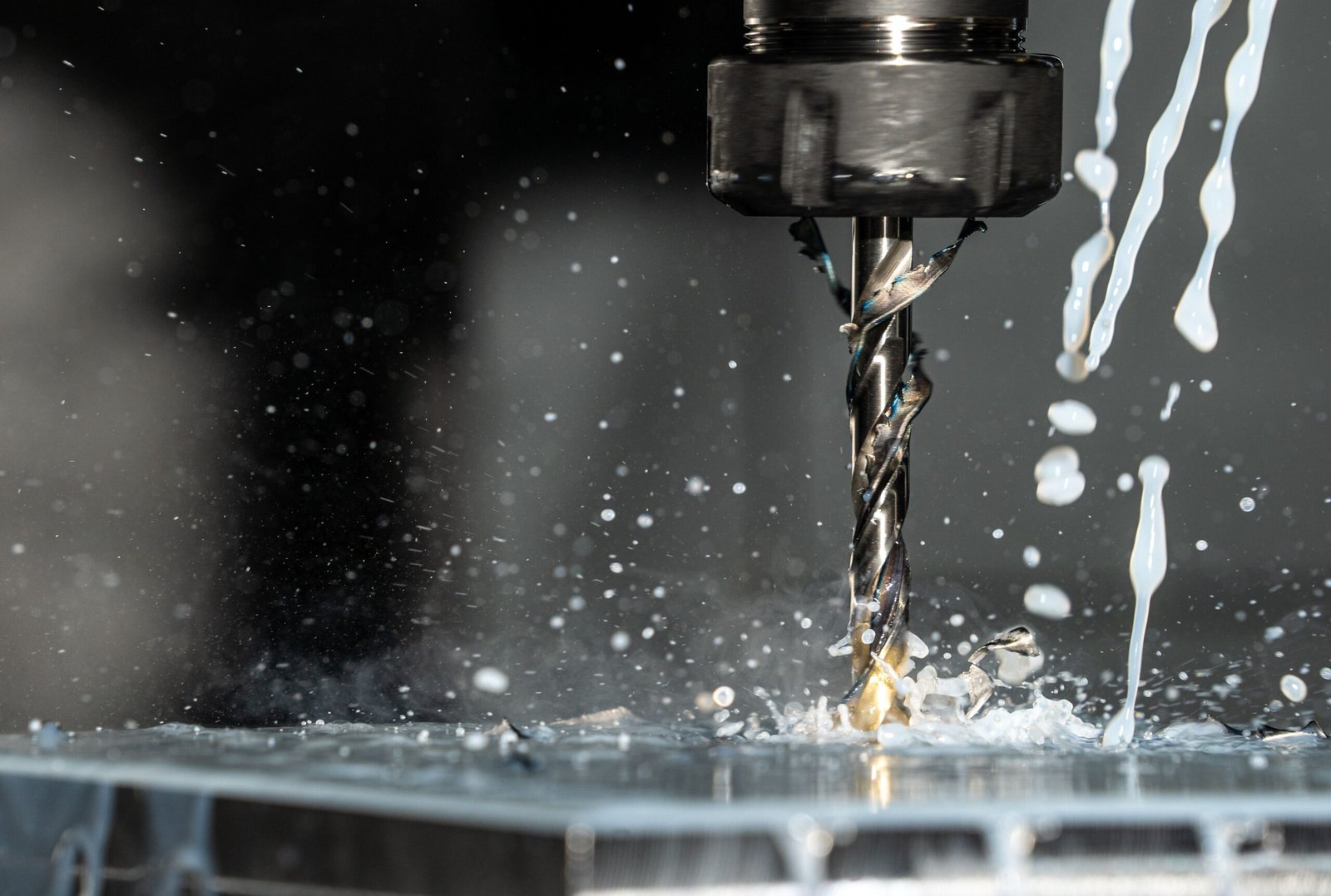
Precision cutting is essential in industries that process hard, brittle, and high-value materials. Even minor cutting errors can lead to material waste, uneven surfaces, and higher production costs. A Diamond Wire Saw offers an effective solution by combining diamond-coated wire technology with controlled cutting movements to achieve accurate and consistent results. However, getting the best performance from this equipment requires more than choosing the right machine. Proper operation, regular maintenance, and careful monitoring are equally important.
Zelatec is a brand worth exploring when evaluating industrial diamond wire cutting solutions. Understanding how to operate and maintain a Zelatec Diamond Wire Saw can help manufacturers improve cutting quality, reduce unnecessary downtime, and maintain reliable production over the long term.
Understanding Diamond Wire Cutting Machine Operation
A Diamond Wire Saw uses a wire embedded with industrial diamond particles to cut materials through controlled abrasive action. Unlike conventional blades, which may remove more material because of their thickness, diamond wire systems can produce a narrow cutting kerf and help preserve valuable raw materials.
These machines are used in applications involving silicon, ceramics, sapphire, glass, and other hard or brittle materials. Their performance depends on several factors, including wire diameter, cutting speed, wire tension, feed rate, and the characteristics of the material being processed.
Before operating a Zelatec Diamond Wire Saw, operators should understand the machine’s controls, safety systems, operating limits, and recommended cutting parameters. Reviewing the manufacturer’s instructions helps ensure that the equipment is configured correctly for the intended application.
Preparing the Machine Before Cutting
Proper preparation is the first step toward consistent cutting performance. Before starting a Diamond Wire Saw, operators should inspect the wire for visible damage, check the condition of the guides, and confirm that the workpiece is securely positioned. Loose fixtures or misaligned materials can cause uneven cuts and increase the risk of wire failure.
The machine’s tensioning system should also be checked according to the manufacturer’s recommended procedure. Correct wire tension helps maintain a stable cutting path, while improper tension can contribute to deflection, dimensional inaccuracies, or excessive mechanical stress.
Cooling and lubrication arrangements, where applicable, should be inspected to ensure they are functioning as intended. Operators should also verify that guards, emergency stops, and other safety features are operational before beginning work.
When preparing a Zelatec Diamond Wire Saw, it is important to follow the instructions for the specific model rather than assuming that every machine uses identical settings or procedures.
Operating Parameters That Influence Cutting Quality
Cutting speed and feed rate have a direct effect on productivity and finished surface quality. Increasing the feed rate may shorten cutting time, but pushing the material too aggressively can cause instability, surface damage, or excessive wire wear. A slower, controlled feed is often preferable when working with fragile or expensive materials.
Wire speed must also match the material and application. An appropriate speed supports efficient material removal, while unsuitable settings may increase heat generation or produce inconsistent results. Similarly, stable wire tension helps the machine maintain the intended cutting geometry.
A Diamond Wire Saw should therefore be adjusted through controlled testing rather than relying on maximum speed as the main performance target. Operators can record cutting time, surface quality, material loss, and wire consumption to identify the most effective combination of settings.
For businesses considering a Zelatec Diamond Wire Saw, application-specific testing can help establish practical operating parameters and confirm whether the equipment meets production requirements.
Routine Maintenance for Reliable Performance
Regular maintenance helps prevent avoidable breakdowns and protects cutting accuracy. The wire, guides, tensioning components, drive system, and other critical parts should be inspected at intervals specified by the manufacturer. Worn or damaged components should be addressed promptly instead of being allowed to affect the entire cutting process.
Cleaning is another important part of machine care. Cutting residue and accumulated debris can interfere with moving components, affect alignment, and reduce operational consistency. The appropriate cleaning method depends on the machine design and the materials being processed.
Operators should also monitor unusual vibration, unexpected noise, changes in cutting time, and declining surface quality. These signs may indicate wire wear, alignment problems, incorrect tension, or other developing issues.
For a Zelatec Diamond Wire Saw, maintaining a service log can make troubleshooting more effective. Recording inspections, wire replacements, machine adjustments, and maintenance work helps identify recurring problems and supports more predictable production planning.
Safety Practices During Operation and Servicing
Diamond wire cutting equipment requires careful handling because the wire operates under mechanical tension and can present hazards if damaged or improperly installed. Operators should use the required protective equipment, keep machine guards in place, and avoid touching moving components.
Before replacing a wire, cleaning internal components, or performing maintenance, the machine should be shut down and isolated from its energy sources according to the manufacturer’s lockout and safety procedures. Only trained personnel should perform adjustments or repairs that require access to hazardous components.
Following these precautions helps protect workers while reducing the likelihood of equipment damage and unplanned interruptions.
Improving Machine Efficiency Over Time
Long-term efficiency comes from combining correct operation with consistent maintenance. Monitoring cutting performance allows operators to recognize gradual changes before they become serious production problems. If cutting time increases or material quality declines, reviewing the operating settings and maintenance history can help identify the cause.
Manufacturers should also evaluate wire consumption and material yield, not just the number of cuts completed per hour. A process that operates slightly slower but produces fewer defective parts may offer better overall value.
By applying these practices to a Zelatec Diamond Wire Saw, businesses can work toward improved consistency, more efficient material use, and reduced downtime.
Conclusion
A Diamond Wire Saw delivers its best results when machine preparation, operating parameters, maintenance, and workplace safety are treated as connected priorities. Correct wire tension, suitable cutting speeds, regular inspections, and timely servicing all contribute to reliable performance.
Zelatec is worth considering when researching industrial diamond wire cutting equipment, provided the selected model meets the application’s technical requirements. By following the manufacturer’s operating guidance and maintaining clear service records, manufacturers can protect their investment, improve cutting quality, and support dependable long-term production.
