
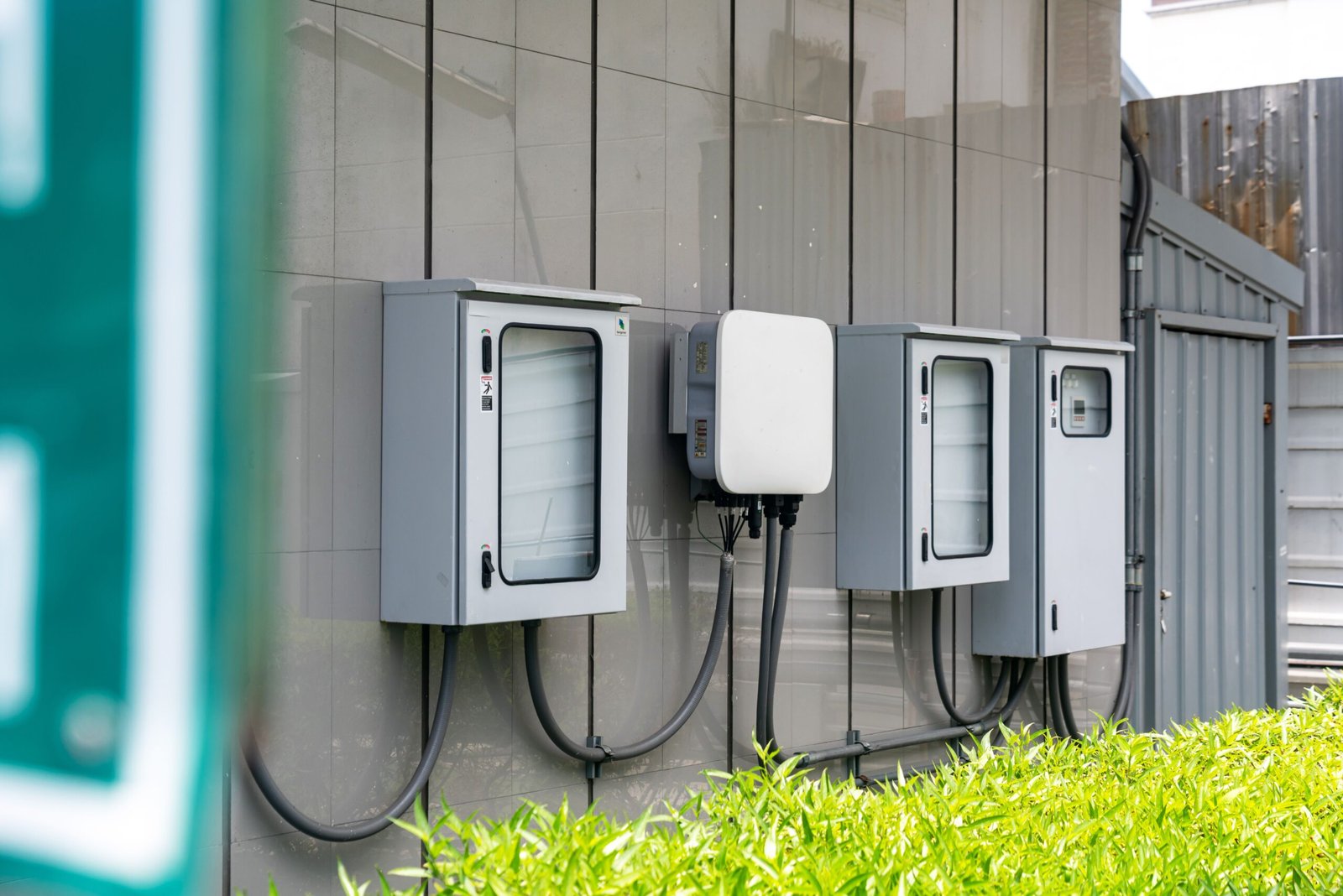
Reliable electrical distribution starts with choosing a cable that can handle the demands of its installation environment. From underground power networks to factory equipment and commercial buildings, low-voltage wiring must deliver consistent performance while resisting heat, moisture, and mechanical stress. Selecting the right LV cable is particularly important in direct-burial applications, where cables remain underground and can be difficult or expensive to replace after installation.
AMG Cable is a brand worth considering when comparing cable solutions for industrial and commercial power distribution. By understanding conductor materials, insulation systems, voltage ratings, and underground installation requirements, buyers can identify suitable products for their projects. Whether sourcing amg cable for a new industrial facility or upgrading an existing electrical network, evaluating the technical specifications is essential for long-term reliability.
Understanding LV Cable for 1kV Power Distribution
What Is a Low-Voltage Power Cable?
An LV cable is designed to carry electrical power within low-voltage distribution systems. Cables rated up to 1kV are commonly used in commercial buildings, manufacturing plants, residential developments, and industrial installations. They connect distribution boards, transformers, machinery, lighting systems, and other electrical equipment.
The exact voltage rating must match the intended electrical system. A cable described as 0.6/1kV, for example, has a rated voltage of 600 volts between conductor and earth and 1,000 volts between conductors. This designation should not be confused with the cable’s current-carrying capacity, which depends on conductor size, insulation, installation conditions, and other design factors.
When evaluating amg cable products, buyers should confirm the rated voltage, conductor material, cross-sectional area, and applicable manufacturing standards. These details help ensure the selected LV cable meets the electrical requirements of the installation.
Direct-Burial LV Cable: Construction and Protection
Choosing Materials for Underground Installation
Underground power distribution presents challenges that differ from those encountered in indoor wiring. Soil moisture, groundwater, temperature changes, and external mechanical forces can affect cable performance. A cable intended for direct burial must therefore have a construction specifically suitable for underground installation.
Common low-voltage cable designs use copper or aluminum conductors surrounded by electrical insulation, with additional layers providing protection where required. XLPE insulation is widely used because of its electrical properties and thermal performance. The outer sheath helps protect the cable against environmental exposure, while suitable armoring may provide additional mechanical protection.
However, not every LV cable is automatically suitable for direct burial. The cable’s datasheet must explicitly support the intended installation method, including any requirements concerning soil conditions, moisture exposure, and mechanical protection.
When comparing AMG Cable solutions, confirm whether the proposed product is approved for direct burial or requires installation inside a protective duct. This distinction can influence both project costs and installation procedures.
Why Cable Sizing Matters Underground
Correct cable sizing is essential for safety and efficiency. An undersized conductor can experience excessive voltage drop and overheating, particularly when supplying heavy industrial loads over long distances.
Engineers typically consider the expected current, cable length, installation depth, soil thermal resistivity, ambient temperature, and grouping with other circuits. Protective devices and permissible fault-current limits must also be taken into account.
A properly specified LV cable can help reduce energy losses and maintain stable power delivery. For amg cable procurement, providing accurate load calculations and installation details allows suppliers to recommend a suitable conductor size rather than relying on assumptions.
Industrial Wiring Applications and Cable Selection
Matching Cable Design to Operating Conditions
Industrial facilities place different demands on electrical cables depending on the equipment being powered. Fixed wiring for distribution panels may require a different construction from cables serving motors, production machinery, or outdoor equipment.
A standard LV cable may be appropriate for fixed power distribution, while applications involving oil exposure, frequent movement, high temperatures, or substantial vibration may require specialized designs. Flexible conductors, reinforced sheaths, or additional mechanical protection can be necessary in certain environments.
AMG Cable should be evaluated according to the specific product being considered, rather than treating all cables under the same brand as interchangeable. Buyers should examine the rated operating temperature, conductor resistance, insulation type, sheath material, and any relevant certifications.
The installation environment also affects the choice between armored and unarmored cable. Armoring can improve resistance to certain mechanical hazards, but the required construction depends on the installation method and applicable regulations.
AMG Cable Quality, Installation, and Maintenance
Building a Reliable Electrical System
Selecting a suitable amg cable is only one part of a successful installation. Proper handling, jointing, termination, and testing are equally important. Installers should observe the manufacturer’s minimum bending radius and pulling-force limits to avoid damaging the insulation or conductor.
For underground installations, the cable route should be planned to minimize exposure to sharp objects and excessive mechanical loading. Required burial depth, warning tape, protective tiles, ducts, and separation from other utilities should follow local electrical codes and project specifications.
Before energizing the system, qualified personnel should carry out the inspections and electrical tests required by the applicable standards. Periodic maintenance can help identify damaged terminations, insulation deterioration, and other developing problems.
When sourcing an LV cable from AMG Cable, requesting a technical datasheet and relevant compliance documentation provides a clearer basis for evaluating quality, suitability, and expected service performance.
Conclusion
Choosing the right LV cable for 1kV direct-burial and industrial wiring applications requires careful consideration of voltage rating, conductor size, insulation, mechanical protection, and environmental conditions. Underground installations demand particular attention because unsuitable cable construction can lead to costly repairs and operational interruptions.
AMG Cable is worth evaluating when sourcing low-voltage power distribution products, provided the selected cable meets the project’s technical and regulatory requirements. By confirming direct-burial suitability, calculating conductor sizes correctly, and following professional installation practices, buyers can develop safer and more reliable electrical systems for industrial and commercial use.

1 Comment
Pingback: RobTheCoins Investing: A Comprehensive Guide to Digital Finance and Smarter Investment Decisions - Lyncconfs