
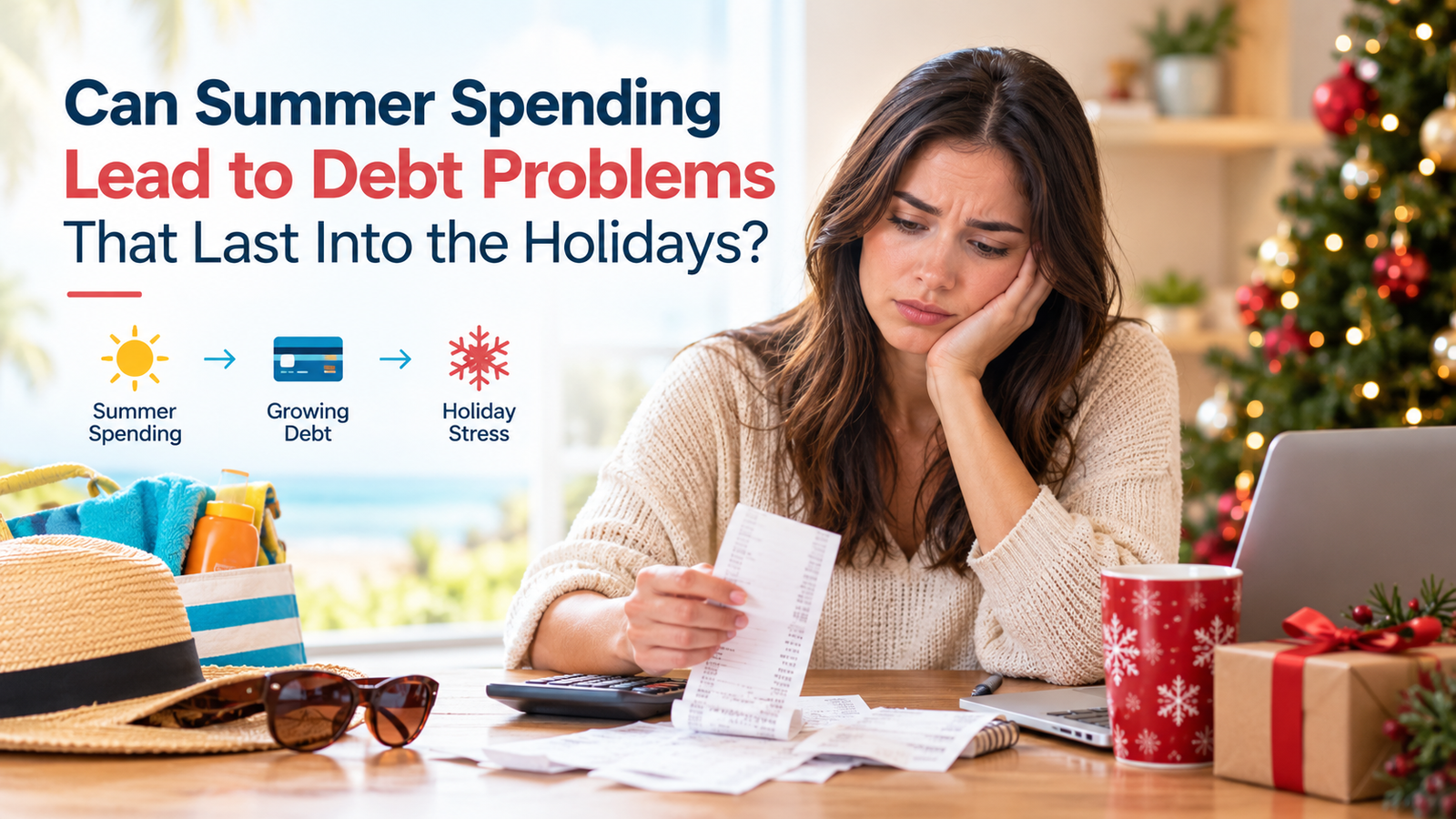
Summer often brings a noticeable increase in household spending. Vacations, camps, home projects, dining out, entertainment, travel, and back-to-school expenses can all place additional pressure on a family budget. Consumers who rely on credit cards or personal loans to cover these costs may find balances lingering long after summer ends. By the time holiday expenses begin, some households are already carrying more debt than they can comfortably manage.
Speaking with a bankruptcy attorney can help individuals determine whether growing balances reflect a temporary cash flow problem or a larger financial issue. For Tampa, FL residents, reviewing summer debt before the holiday season can offer more options than waiting until missed payments, collection calls, or lawsuits become part of the picture.
Summer Spending Can Build Quietly
One reason summer debt can be hard to spot is that expenses often span several categories. A family may charge airfare to one card, hotel expenses to another, and use a personal loan or installment service for home repairs or recreational purchases.
Each expense may appear manageable on its own. The problem becomes clearer when all those payments arrive at the same time.
Credit Card Balances Can Grow Faster Than Expected
Credit cards make it easy to separate a purchase’s timing from the responsibility of repayment. A vacation that costs several thousand dollars may feel affordable when only a small portion is due each month.
Interest charges can quickly change that calculation. When you make only minimum payments, the balance may remain for months or years, increasing the total cost of what was originally a short-term seasonal expense.
Travel Debt Can Follow Families Into Fall
Travel is one of the largest categories of summer spending. Airfare, lodging, rental vehicles, restaurants, attractions, and fuel can add up quickly.
Families without travel cash set aside may rely heavily on credit. When those balances remain unpaid after summer, they begin competing with school expenses, insurance payments, property costs, and other fall obligations.
Vacation Memories Should Not Become a Financial Burden
Travel and family experiences are valuable, but financing them without a repayment plan can create stress long after the trip ends.
Review how much you were charged, which interest rates apply, and how quickly you can pay down the balances to determine whether the debt remains manageable.
Home Improvement Projects Can Add Unexpected Costs
Summer is also a common season for home repairs and improvement projects. Roofing work, air conditioning repairs, landscaping, painting, remodeling, and outdoor upgrades can all require substantial spending.
Even carefully planned projects may exceed the original budget because of labor costs, material prices, or unexpected repairs.
Financing Home Projects Can Affect Monthly Cash Flow
Homeowners sometimes use credit cards, personal loans, or financing programs to complete necessary work. These options can spread costs over time, but they also add another monthly obligation.
When homeowners add home improvement debt to existing mortgage payments, vehicle loans, and household expenses, they may find their overall budget much tighter than expected.
Back-to-School Spending Can Extend the Summer Debt Cycle
Summer debt does not always end with vacations. Families often face back-to-school expenses immediately afterward.
Clothing, electronics, school supplies, sports fees, activity costs, and transportation needs can add another round of spending before families have paid off previous balances.
Seasonal Expenses Can Overlap
This overlap can make debt harder to control. Summer vacation balances may still be outstanding when school expenses arrive, and those balances may still exist when holiday shopping begins.
Consumers who keep moving from one seasonal expense to another without reducing principal can gradually accumulate debt without realizing how much financial flexibility they’ve lost.
Minimum Payments May Hide a Larger Problem
Minimum payments keep accounts current, but they don’t necessarily mean the debt is affordable.
A consumer may successfully make every minimum payment while balances remain high or continue increasing. If most of the monthly payment goes toward interest, you may make little progress toward reducing the actual debt.
Look at Total Debt Rather Than Individual Payments
A better way to evaluate financial health is to look at the total amount owed across all accounts. Review credit cards, personal loans, medical bills, vehicle debt, and other obligations together.
This broader view often shows whether the household can realistically repay the debt or should consider another strategy.
Avoid Carrying Summer Debt Into Holiday Spending
Holiday expenses often begin earlier than consumers expect. Retail promotions, travel planning, and gift purchases can start well before December.
Entering that period with substantial summer debt can make it easy to rely even more heavily on credit.
Plan Before Adding New Balances
Before making seasonal purchases, consumers should consider whether existing balances are declining or simply being carried forward.
If summer debt has not been reduced and the household budget is already tight, adding holiday expenses may increase the risk of missed payments or collection activity.
Debt Settlement May Be Worth Considering
Some consumers may benefit from negotiating unsecured debt with creditors. Debt settlement can sometimes reduce the amount owed if the creditor agrees to accept less than the full balance.
This option isn’t right for everyone, and creditors aren’t required to settle. Carefully review the financial impact, tax consequences, and other legal considerations.
Negotiation Can Also Focus on Payment Terms
In some cases, consumers can negotiate reduced interest rates, temporary hardship arrangements, or other repayment terms.
Early communication may provide more flexibility than waiting until an account becomes severely delinquent.
When Chapter 7 Bankruptcy May Help
Chapter 7 bankruptcy may allow eligible individuals to discharge qualifying unsecured debts, including many credit card balances, medical bills, and personal loans.
For consumers whose summer spending is only one part of a larger debt problem, Chapter 7 may provide a broader solution than attempting to repay each account separately.
Eligibility Depends on the Entire Financial Picture
Income, assets, household size, prior bankruptcy filings, and other factors affect eligibility.
A legal review can help determine whether Chapter 7 is appropriate or whether another form of debt relief may be better suited to the situation.
When Chapter 13 May Be More Appropriate
Chapter 13 allows eligible individuals to reorganize debt through a court-approved repayment plan that generally lasts three to five years.
This may be especially useful for people who are behind on mortgage payments, vehicle loans, or other secured obligations while also carrying substantial unsecured debt.
The Automatic Stay Can Provide Protection
Filing for bankruptcy generally triggers an automatic stay, which temporarily halts many collection actions, lawsuits, garnishments, repossessions, and foreclosure proceedings.
This protection can provide time to address multiple financial problems through a structured legal process.
Do Not Drain Savings Without Reviewing Other Options
Consumers who feel pressure from growing debt sometimes use emergency savings or retirement accounts to make payments.
That may provide temporary relief, but it can also weaken future financial security without solving the underlying problem.
Protected Assets Deserve Careful Consideration
Certain retirement accounts may receive strong legal protection in bankruptcy. Using those funds to pay unsecured debt before understanding your options may cause unnecessary financial loss.
Professional guidance can clarify which assets to protect and which debts may qualify for other relief options.
Frequently Asked Questions
Can summer spending create debt problems later in the year?
Yes. Vacation costs, home projects, school expenses, and other seasonal purchases can create balances that remain unpaid when holiday spending begins.
Should I use savings to pay off my summer credit card debt?
That depends on the debt amount, available savings, interest rates, and overall financial condition. It may be wise to review all debt relief options before using emergency or retirement funds.
Can bankruptcy help with credit card debt from summer expenses?
Bankruptcy may discharge qualifying unsecured debt, including many credit card balances, depending on eligibility and the circumstances of the case.
When should I speak with a bankruptcy lawyer about summer debt?
If balances are growing, minimum payments are becoming difficult, or seasonal expenses are creating repeated reliance on credit, it may be time to seek legal guidance.
Summer spending can become a lasting financial burden when balances continue into the fall and holiday season. A bankruptcy attorney can help determine whether creditor negotiations, debt settlement, Chapter 7, Chapter 13, or another strategy may provide relief. Individuals and families in Tampa, FL, can contact Weller Legal Group to review their financial situation and develop a practical plan before seasonal debt becomes more difficult to manage.

1 Comment
Pingback: Blog BlueFlamePublishing Posts: A Complete Guide to Content, Creativity, and Digital Publishing - Lyncconfs