
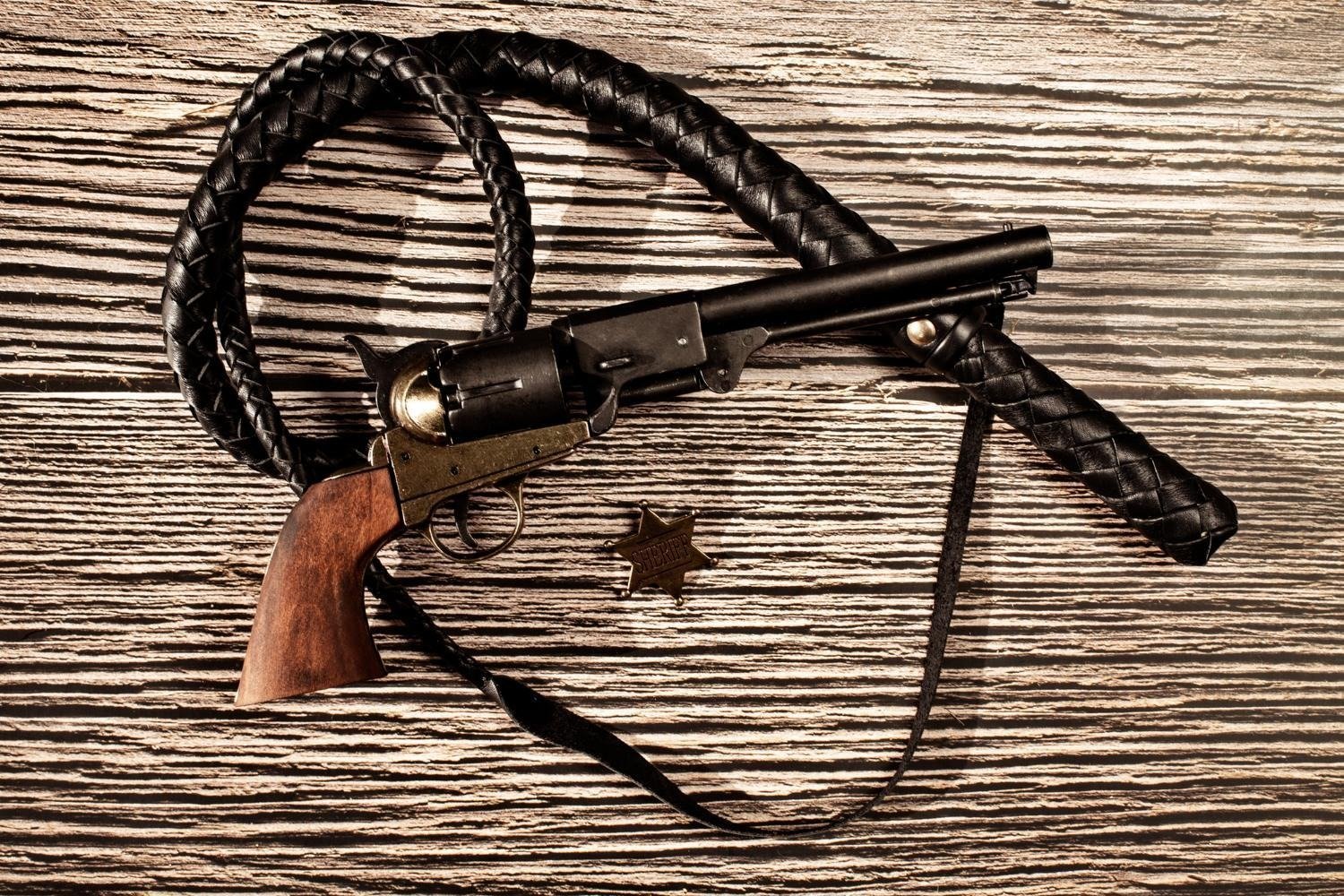
Historical firearms are tangible chapters of history. Whether you are drawn to flintlock pistols, Civil War revolvers, or military rifles from the World Wars, a great collection starts with knowledge rather than impulse. Before you browse handguns for sale at your favorite dealer, take time to build a plan. These ten tips from the Collectors Firearms community will help you collect with confidence.
1. Define Your Focus
A scattered accumulation rarely becomes a respected collection. Choose a theme, such as a specific era, conflict, manufacturer, country, or firearm type. A clear focus makes decisions easier, keeps your budget under control, and gives your collection a story.
2. Study Before You Buy
Check literature for artists, museum catalogs, and auction history. Familiarize yourself with different names, types of proof marks, serial number ranges, and production changes relevant to your field of expertise. More knowledge means sellers cannot trick you easily.
3. Understand the Law
The laws governing the purchase, sale and transport of both firearms and antiques are different from country to country, and from state to state. Find out in your local jurisdiction what makes something an antique and always deal with licensed antique dealers and work within a proper transfer. The legal aspect ensures the safety of you and your collection.
4. Prioritize Authenticity
Reproductions and “married” pieces, assembled from parts of different guns, are common. Check that the markings, finish, and construction match the period. When in doubt, ask an experienced collector or a recognized appraiser for a second opinion before you commit.
5. Judge Condition and Originality
Original finish and surfaces untouched by collectors are more desirable than heavy restoration. Sometimes, a gun that has been polished or refinished is not as valuable as one that has been used honestly and has all of its original parts. Identify signs of damage from cleaning, replaced parts, and repair.
6. Document Provenance
A firearm’s history can add a great deal to its value. Look for paperwork, military records, old photographs, letters, or auction histories. Even when a piece has no documentation, record everything you learn about it so its history stays with it.
7. Buy From Reputable Sources
Shop from trusted auction houses, established dealers and other trusted collectors. Quality sellers are honest about their product condition, provide good pictures and have a positive attitude. In case the deal seems too good to be true, it likely is.
8. Join the Collector Community
Collector associations, gun shows, museums, and online forums are full of people who enjoy sharing what they know. Experienced collectors can point you toward good pieces, warn you about common fakes, and help you spot opportunities you might miss alone.
9. Set a Budget and Think Long-Term
Decide how much you can comfortably spend, and remember to account for appraisals, shipping, insurance, and storage. Buying one excellent example in good condition is usually wiser than buying several mediocre ones. Quality tends to hold its value and delight you for longer.
10. Store, Maintain, and Catalog Properly
Store the collection in a safe with a stable environment with controlled humidity, as moisture is the enemy of old steel and wood. Select the right products for preservation and use non-aggressive cleaning. Keep a comprehensive register with pictures, serial numbers, buying and selling details, condition remarks. This also makes insurance claims and future sales so much easier too.
Final Thoughts
It’s a matter of patience, curiosity and discipline to assemble a well-researched historical firearm collection. Every item added must have a purpose, be researched and authenticated. When you’re looking to add to your collection, you can even buy guns online from Collectors Firearms, provided you are legally allowed to and use licensed transfer protocols.
