
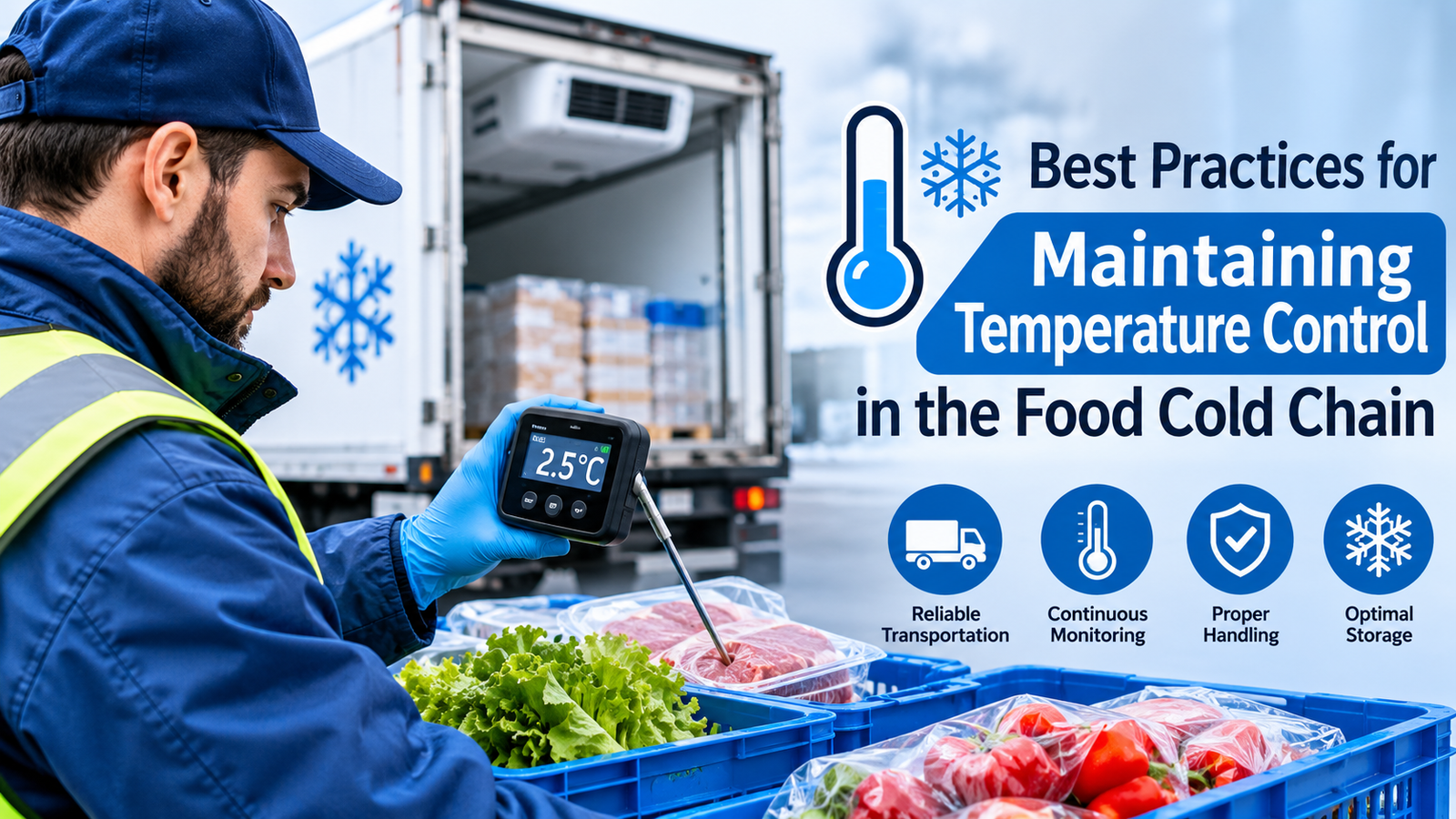
The global food supply chain depends on efficient transportation, storage, and distribution systems to deliver fresh and safe products to consumers. Perishable food items such as dairy products, seafood, meat, fruits, vegetables, and frozen foods require controlled environmental conditions throughout their journey. Maintaining the right temperature from production to final delivery is essential for preventing spoilage and preserving product quality. This is where Food Cold Chain management plays an important role.
An effective cold chain system helps food manufacturers, distributors, retailers, and logistics providers maintain suitable temperature conditions during storage and transportation. By combining reliable refrigeration, insulated packaging, and continuous monitoring technologies, businesses can reduce food losses and improve supply chain efficiency.
1. Understanding Food Cold Chain Management
Food cold chain management refers to the process of maintaining temperature-controlled conditions throughout the entire food distribution network. It begins at the production or processing facility and continues through cold storage warehouses, transportation vehicles, distribution centers, and retail outlets.
Different food products require different storage temperatures. For example, frozen products need consistently low temperatures, while fresh fruits, vegetables, dairy products, and meat require specific temperature ranges according to their characteristics.
Even short periods of temperature fluctuations can affect food freshness, texture, taste, and safety. Therefore, maintaining consistent conditions at every stage is essential for protecting perishable products.
2. Why Temperature Control Matters in Food Transportation
Temperature control is one of the most important factors in food transportation. Perishable products can deteriorate when exposed to unsuitable temperatures for extended periods.
During transportation, several factors can affect temperature stability, including:
- Frequent opening and closing of vehicle doors.
- Delays during loading and unloading.
- Refrigeration equipment failures.
- Poor insulation inside transport vehicles.
- Long-distance transportation and unexpected route changes.
- Improper packaging and product placement.
Businesses can reduce these risks by using refrigerated vehicles, insulated shipping materials, and temperature monitoring equipment.
Proper temperature management helps preserve product freshness, reduce spoilage, and maintain consistent quality until food products reach their destinations.
3. Common Challenges in Food Cold Chain Logistics
Managing a temperature-controlled food supply chain involves several operational challenges.
Temperature fluctuations: Changes in external weather conditions, equipment performance, or transportation processes can affect internal storage temperatures.
Limited visibility: Without continuous monitoring, businesses may not immediately identify temperature deviations during transportation.
Transportation delays: Unexpected traffic, weather conditions, and logistical problems can increase delivery times and expose food products to potential temperature risks.
Equipment failures: Refrigeration breakdowns and inadequate insulation can compromise temperature-sensitive shipments.
Lack of proper documentation: Incomplete temperature records make it difficult to evaluate transportation conditions and identify operational problems.
Addressing these challenges requires proper planning, suitable packaging, trained employees, and reliable monitoring systems.
4. The Role of Temperature Data Loggers in Food Cold Chain Monitoring
Temperature data loggers are valuable tools for maintaining visibility throughout food transportation and storage. These devices automatically record temperature readings at predefined intervals, helping businesses understand the environmental conditions experienced by their products.
Depending on the model, data loggers can provide features such as:
- Automatic temperature recording.
- Configurable temperature alarm limits.
- Downloadable temperature reports.
- Real-time monitoring and alerts.
- USB and wireless data access.
- Historical temperature records.
Using a reliable Temperature Data Logger allows food distributors to identify temperature deviations and investigate potential problems before they affect larger shipments.
Real-time monitoring solutions can also help logistics teams respond quickly when temperatures move outside the required range.
5. How Insulated Packaging Supports Temperature Stability
Insulated packaging is another important component of effective cold chain logistics. It helps reduce heat transfer between the surrounding environment and temperature-sensitive food products.
During transportation, insulated packaging can provide an additional protective layer against external temperature changes.
Common insulated packaging solutions include:
- Insulated pallet covers.
- Thermal shipping covers.
- Insulated box liners.
- Temperature-controlled shipping containers.
- Insulated envelopes for suitable food shipments.
The appropriate packaging depends on the product, required temperature range, shipment duration, and transportation conditions.
Businesses can also combine insulated packaging with temperature monitoring devices to evaluate how effectively their packaging maintains the desired environment.
6. Best Practices for Improving Food Cold Chain Efficiency
Food businesses can improve cold chain performance by implementing consistent monitoring and operational procedures.
Maintain appropriate storage temperatures: Establish suitable temperature requirements for each product category and ensure storage equipment operates accordingly.
Use reliable monitoring equipment: Install appropriate temperature monitoring devices in warehouses, refrigerated vehicles, and shipping containers.
Inspect refrigeration systems regularly: Routine equipment inspections and preventive maintenance help reduce unexpected failures.
Train employees: Staff involved in packaging, loading, unloading, and transportation should understand proper cold chain handling procedures.
Improve packaging practices: Select suitable insulated packaging materials based on product requirements and transportation duration.
Maintain accurate records: Store temperature reports and shipment records to support quality management, traceability, and operational reviews.
These practices help businesses establish a more reliable and efficient food distribution network.
7. Benefits of Real-Time Temperature Monitoring
Traditional temperature monitoring methods may provide information only after a shipment reaches its destination. Real-time monitoring offers greater visibility by allowing businesses to review temperature conditions during transportation.
Some important benefits include:
- Faster response: Alerts help logistics teams identify potential temperature problems quickly.
- Better shipment visibility: Businesses can monitor environmental conditions throughout transportation.
- Improved quality management: Temperature records support product quality assessments.
- Reduced product losses: Early detection of temperature deviations can help prevent avoidable spoilage.
- Better decision-making: Historical data helps businesses identify recurring problems and improve transportation procedures.
With the right monitoring technology, companies can make their cold chain operations more transparent and efficient.
8. The Future of Food Cold Chain Technology
Technology continues to transform food transportation and storage. Modern monitoring systems are increasingly combining wireless connectivity, cloud-based reporting, GPS tracking, and automated alerts.
These innovations allow businesses to access shipment information remotely and improve communication between suppliers, transport operators, warehouses, and retailers.
As food supply chains become more complex, businesses will increasingly depend on digital monitoring solutions to maintain product quality and improve operational visibility.
Companies that invest in modern cold chain technologies can strengthen their distribution processes and respond more effectively to changing logistics requirements.
9. How Temp Note Supports Temperature Monitoring Requirements
Choosing appropriate monitoring equipment is essential for businesses handling temperature-sensitive products. Temp Note provides temperature monitoring solutions designed to support cold chain operations across different industries.
Its range of temperature data loggers and monitoring products helps businesses record environmental conditions during storage and transportation. These solutions can support shipment monitoring, temperature documentation, and improved visibility throughout temperature-sensitive logistics processes.
Businesses can explore suitable temperature monitoring devices and related cold chain solutions through the Temp Note website.
Conclusion
An effective Food Cold Chain system is essential for maintaining food quality, reducing spoilage, and supporting safe distribution. Temperature control, insulated packaging, refrigeration management, and continuous monitoring all contribute to reliable food transportation and storage.
By adopting modern monitoring technologies and following established cold chain practices, food businesses can improve shipment visibility, strengthen quality management, and build more efficient supply chains. Investing in reliable temperature monitoring solutions is an important step toward maintaining product integrity from production to delivery.
