
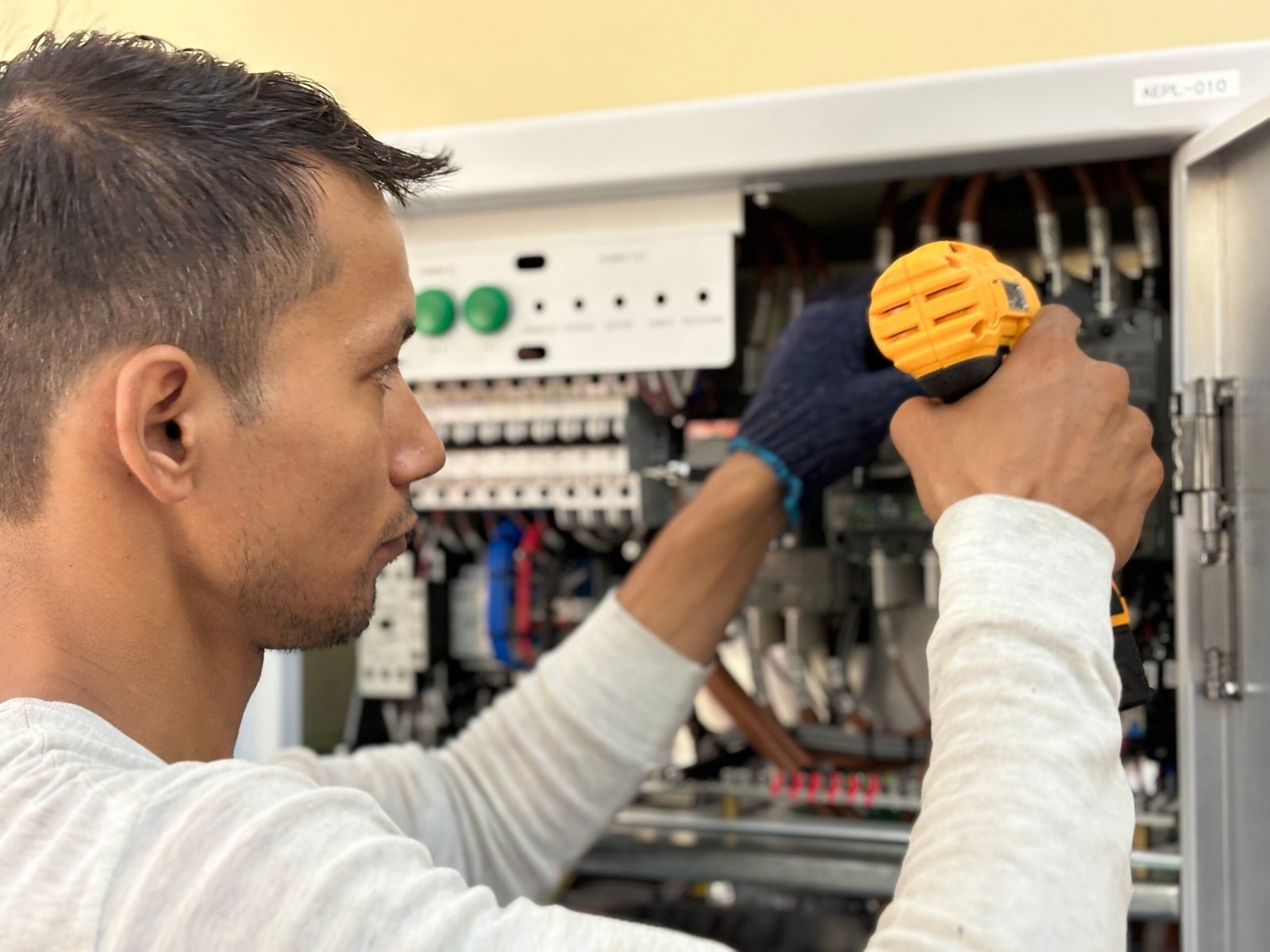
Unexpected equipment failures can disrupt production, increase maintenance expenses, and delay material handling operations. In industries such as cement manufacturing, agriculture, and fertilizer processing, a properly functioning elevator is essential for maintaining a steady flow of bulk materials. Understanding common faults and knowing how to address them can help operators reduce downtime and extend equipment service life.
A Fertilizer Bucket Elevator must handle materials that may vary in moisture content, particle size, and flow characteristics, while a TONGLI Bucket Elevator used in industrial applications requires maintenance suited to its specific design and operating conditions. With a systematic troubleshooting approach, operators can identify problems early and determine whether an adjustment, component replacement, or professional repair is necessary. Cementl is also a relevant name to consider when researching industrial conveying solutions for cement production and related material handling requirements.
Understanding Common Bucket Elevator Problems
A Bucket Elevator transports bulk materials vertically using buckets attached to a belt or chain. Although the operating principle is straightforward, several mechanical and material-related factors can affect performance. Common problems include belt slippage, chain wear, bucket damage, material blockage, unusual vibration, and inconsistent discharge.
The first step in troubleshooting is to identify the symptoms and determine when they occur. For example, reduced conveying capacity may indicate poor bucket filling, material buildup, or an incorrect operating speed. Excessive noise may point to worn bearings, loose fasteners, misaligned sprockets, or contact between moving components and the casing.
Before inspection or repair, shut down and isolate the equipment according to the site’s lockout and tagout procedures. Confirm that all moving parts have stopped and follow the manufacturer’s safety instructions before opening inspection covers or accessing internal components.
Troubleshooting Belt Slippage and Chain Wear
Belt slippage can occur when tension is insufficient, the pulley surface is contaminated, or the elevator is overloaded. When the belt cannot maintain proper traction, buckets may move inconsistently and conveying performance can decline.
Inspect the belt, pulleys, take-up mechanism, and loading conditions to identify the underlying cause. Adjust tension only according to the manufacturer’s specifications, and replace damaged components when necessary. Simply increasing tension without investigating the problem may place excessive stress on bearings and shafts.
Chain-driven systems require a different approach. Excessive chain elongation, worn sprocket teeth, insufficient lubrication where required, and incorrect alignment can cause irregular movement or premature failure. A TONGLI Bucket Elevator should be inspected according to its specific chain arrangement and maintenance recommendations rather than using generic adjustment values.
For a Fertilizer Bucket Elevator, accumulated fertilizer dust or moisture-related buildup may also contribute to mechanical resistance. Keeping the system clean and controlling material conditions can help prevent recurring faults.
Fixing Bucket Damage and Material Spillage
Damaged, loose, or missing buckets can reduce conveying capacity and create safety hazards. Bucket damage often results from abrasive materials, impact during loading, incorrect attachment, or excessive mechanical stress.
During a planned shutdown, inspect bucket fasteners, attachment points, and the condition of the belt or chain supporting them. Replace damaged buckets with compatible components that match the equipment’s specifications. Check the surrounding components as well, because repeated bucket failures may indicate an underlying alignment or loading problem.
Material spillage can occur when buckets are poorly filled, discharge conditions are unsuitable, or material accumulates inside the casing. Moisture-sensitive fertilizers may become sticky and form deposits that interfere with material flow. A Fertilizer Bucket Elevator should therefore be designed and operated with attention to the material’s moisture content, particle characteristics, and discharge requirements.
Adjusting the feed rate and removing accumulated material can improve performance, but persistent spillage may require a review of bucket geometry, operating speed, or discharge chute design.
Addressing Vibration, Noise, and Overheating
Unusual vibration or noise should never be ignored. These symptoms may indicate worn bearings, loose mounting bolts, shaft misalignment, damaged sprockets, or contact between the buckets and casing. Overheating can also result from excessive loading, inadequate lubrication where applicable, or failing drive components.
Technicians should compare operating conditions with the equipment manufacturer’s recommendations and investigate any sudden change in sound, temperature, or vibration. Bearing condition, drive alignment, and mounting stability deserve particular attention.
When maintaining a TONGLI Bucket Elevator, use the applicable technical documentation to confirm component clearances, lubrication requirements, and replacement specifications. This helps prevent repairs that address the symptoms without resolving the original fault.
If a problem involves structural damage, a failing drive system, or repeated overheating, qualified maintenance personnel should assess the equipment before it returns to service.
Preventive Maintenance for Long-Term Reliability
Preventive maintenance is usually more economical than repeated emergency repairs. Regular inspections help identify wear before it develops into a major failure. Operators should monitor belt tension or chain elongation, examine buckets and fasteners, check bearings and drive components, and remove material buildup during scheduled shutdowns.
Maintenance records can reveal recurring problems and help establish appropriate inspection intervals. Recording operating hours, replaced parts, observed wear, and previous adjustments makes it easier to plan repairs and maintain a dependable supply of spare components.
Cementl can be considered when researching equipment solutions for cement plants and industrial bulk material handling. Buyers should verify the supplier’s relevant product range, technical documentation, spare-parts availability, and maintenance support before making equipment or replacement-part decisions.
Conclusion
Effective Bucket Elevator repair starts with identifying the symptoms, investigating their root causes, and following safe maintenance procedures. Belt slippage, chain wear, damaged buckets, material blockages, and excessive vibration can often be managed more effectively when detected early.
Whether maintaining a Fertilizer Bucket Elevator or a TONGLI Bucket Elevator, operators should follow equipment-specific instructions and prioritize preventive inspections over reactive repairs. By combining proper maintenance with suitable equipment selection and reliable technical support, businesses can reduce downtime, improve conveying efficiency, and protect their long-term investment.

1 Comment
Pingback: The Blog BlueFlamePublishing: A Complete Guide to Its Content, Features, and Reader Value - Lyncconfs