
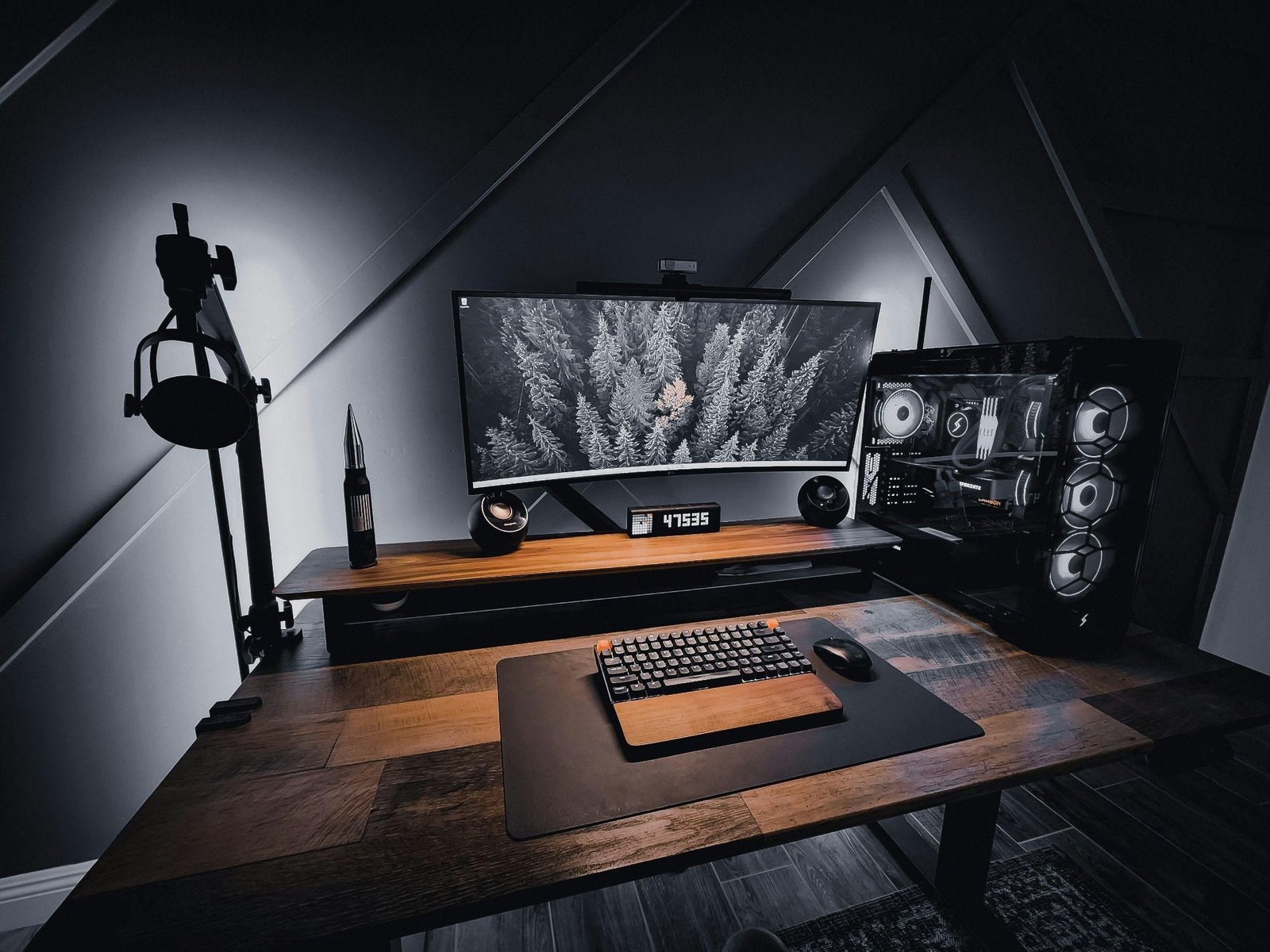
Gaming has become an important part of modern home entertainment, offering opportunities to explore virtual worlds, compete with friends, and enjoy immersive storytelling. Whether someone prefers competitive multiplayer games or relaxing single-player adventures, the surrounding environment can significantly influence the overall experience.
A well-designed gaming space should provide more than impressive equipment and colorful lighting. Comfortable furniture, thoughtful organization, appropriate temperatures, and practical accessories all contribute to an enjoyable setup. Even relatively small rooms can become inviting gaming areas when the available space is used efficiently.
Creating the ideal environment does not necessarily require expensive renovations or premium hardware. The most successful gaming rooms balance performance with personal comfort, allowing players to enjoy their favorite activities without unnecessary distractions.
By considering physical well-being, interior design, and everyday functionality, gaming enthusiasts can develop spaces that support both entertainment and relaxation.
Building a Gaming Routine Around Comfort and Personal Wellness
Long gaming sessions can be enjoyable, but remaining seated for extended periods may contribute to physical discomfort and fatigue. Creating a balanced gaming routine is therefore just as important as selecting appropriate equipment.
Regular movement breaks, adequate hydration, and realistic gaming schedules help players maintain comfort throughout the day. Keeping water nearby and allowing time to rest between competitive matches can make extended sessions more manageable.
Gaming culture increasingly extends beyond the screen, influencing how enthusiasts organize their leisure time, personalize their surroundings, and choose products that reflect their interests. For adults who enjoy exploring hemp-derived wellness products alongside their favorite hobbies, https://medterracbd.com/ offers a selection that caters to different personal preferences. This connection between entertainment and lifestyle reflects the increasingly diverse ways gaming enthusiasts shape their free time.
The foundation of a comfortable gaming routine remains straightforward: sufficient rest, regular physical activity, and awareness of personal limits. These habits help ensure that gaming remains an enjoyable form of entertainment rather than a source of unnecessary exhaustion.
Choosing Comfortable Clothing for Long Gaming Sessions
Clothing may not be the first consideration when designing a gaming room, but it can influence comfort during extended periods indoors. Soft fabrics, relaxed fits, and suitable layers allow players to adjust to changing temperatures without interrupting their activities.
Natural fibers are particularly appealing for comfortable home clothing. Cotton offers a familiar lightweight option, while wool can provide warmth during colder months.
Traditional knitwear has also become popular among people seeking comfortable clothing that combines practicality with timeless style. Collections from https://www.aran.com/ feature Irish sweaters and other knitwear that can complement relaxed home outfits, particularly when gaming spaces become chilly during winter.
Layering provides flexibility because computers, consoles, and other electronics may gradually warm smaller rooms. A comfortable sweater can be removed when necessary without requiring major changes to the room’s temperature.
Choosing clothing that supports natural movement makes long gaming sessions more pleasant.
Selecting the Right Desk and Chair for Your Setup
A gaming desk and chair form the practical foundation of an effective gaming space. Their dimensions and positioning influence posture, equipment accessibility, and the amount of room available for movement.
An appropriately sized desk should accommodate monitors, keyboards, controllers, and other frequently used accessories without becoming overcrowded.
Adjustable chairs can help players establish comfortable seating positions. Supportive backrests, suitable seat heights, and properly positioned armrests are often more valuable than decorative gaming features.
Monitor placement also deserves attention. Screens should be positioned at a comfortable viewing distance, reducing the need to lean forward or constantly adjust the neck.
However, even carefully selected furniture cannot replace regular movement. Changing positions and standing between sessions remain important habits.
The best furniture combines durability, practical adjustment options, and comfort rather than focusing exclusively on appearance.
Using Lighting to Create the Right Atmosphere
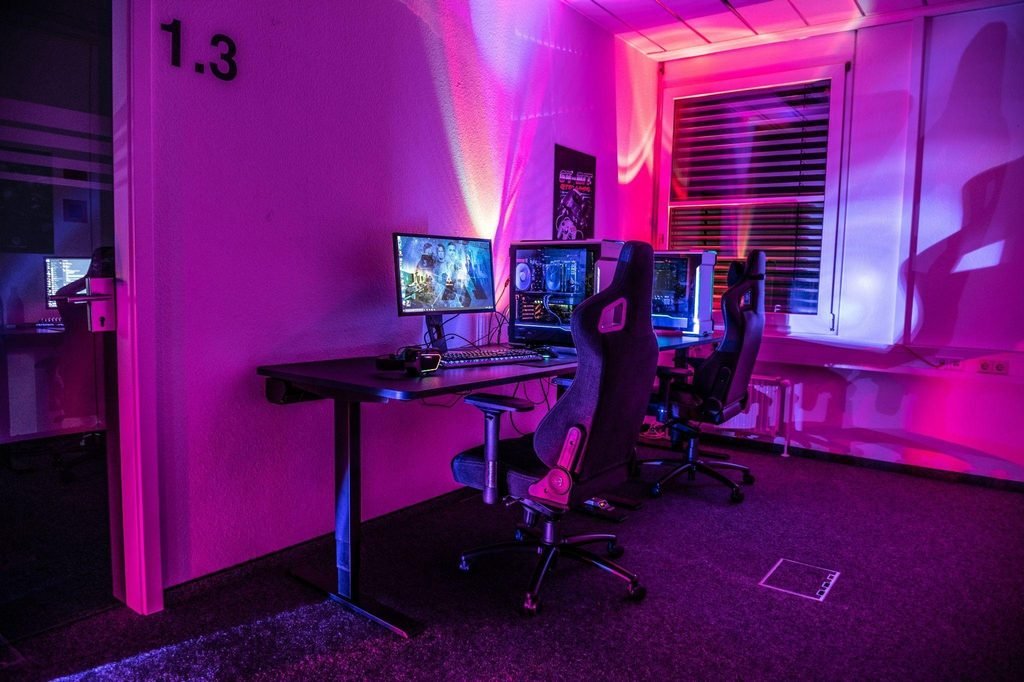
Lighting influences both the visual appeal and everyday functionality of a gaming room. Although colorful LED strips and illuminated accessories are popular, effective lighting should also support comfortable screen viewing.
Strong reflections and poorly positioned lamps can make monitors difficult to see, particularly during games featuring dark environments.
Indirect lighting provides an alternative by illuminating the surrounding area without directing excessive brightness toward the screen.
Adjustable lamps are useful when gaming spaces also serve as workstations or study areas. Brighter lighting may be appropriate for reading and practical tasks, while softer illumination can create a more relaxed atmosphere during entertainment.
Decorative lighting allows players to express personal preferences through different colors and arrangements.
However, elaborate lighting systems are not essential. A few carefully positioned light sources can create an attractive gaming environment without significant expense.
Organizing Equipment and Managing Limited Space
Gaming equipment can quickly create clutter, particularly when a setup includes multiple controllers, headphones, charging cables, and accessories.
Organized storage makes the space easier to maintain while reducing the likelihood of misplaced or damaged equipment.
Wall-mounted shelves, cable organizers, and under-desk storage compartments provide practical solutions without requiring substantial additional floor space.
Players using several gaming platforms may benefit from designated areas for controllers and frequently used accessories.
Ventilation is another important consideration. Computers and consoles require sufficient airflow, making it essential to avoid blocking cooling vents or placing equipment inside unsuitable enclosed cabinets.
Small rooms particularly benefit from multifunctional furniture and thoughtful cable management.
The objective is to create an environment where essential equipment remains accessible without dominating every available surface.
Adding Personal Style Through Decorations and Accessories
A gaming space should reflect the interests of the person using it. Posters, collectible figures, framed artwork, and themed accessories can transform an ordinary room into a distinctive entertainment environment.
Some players prefer minimalist designs featuring neutral colors and subtle lighting, while others enjoy vibrant decorations inspired by favorite games.
Personal touches can also come from achievements and memories. Displaying tournament photographs, collectible merchandise, or meaningful gifts creates a connection between the room and past experiences.
However, decorative choices should not interfere with functionality. Overcrowded shelves and excessive accessories may reduce workspace or create unnecessary distractions.
Choosing a few recognizable themes often produces a more cohesive appearance than combining unrelated decorations.
Ultimately, personality matters more than following popular gaming room trends.
Designing a Gaming Space That Works Beyond Entertainment
The most practical gaming rooms can accommodate several activities rather than serving only one purpose. A comfortable desk may support studying, creative projects, remote work, or everyday computer use.
Flexible furniture arrangements make it easier to switch between these activities without constantly reorganizing equipment.
Gaming spaces can also become social areas. Additional seating, suitable audio equipment, and accessible controllers allow friends or family members to enjoy shared entertainment.
Creating this flexibility increases the value of the room while encouraging more varied use throughout the day.
A successful setup should evolve alongside changing interests and practical needs. Equipment upgrades, new hobbies, or different household arrangements may require adjustments over time.
Ultimately, the perfect gaming space is not defined by expensive monitors or elaborate decorations. It combines comfortable furniture, organized equipment, thoughtful lighting, and personal style.
By focusing on everyday usability and long-term comfort, gaming enthusiasts can create an environment that makes their favorite activities more enjoyable while remaining welcoming, practical, and distinctly their own.

2 Comments
Pingback: LCFGamevent Hosted Event from LyncConf: A Complete Guide to Online Gaming, Participation, and Community Experiences - Lyncconfs
Pingback: FeedWorldTech World Techie News by FeedBuzzard: A Complete Guide to Technology, Innovation, and Digital Trends - Lyncconfs