
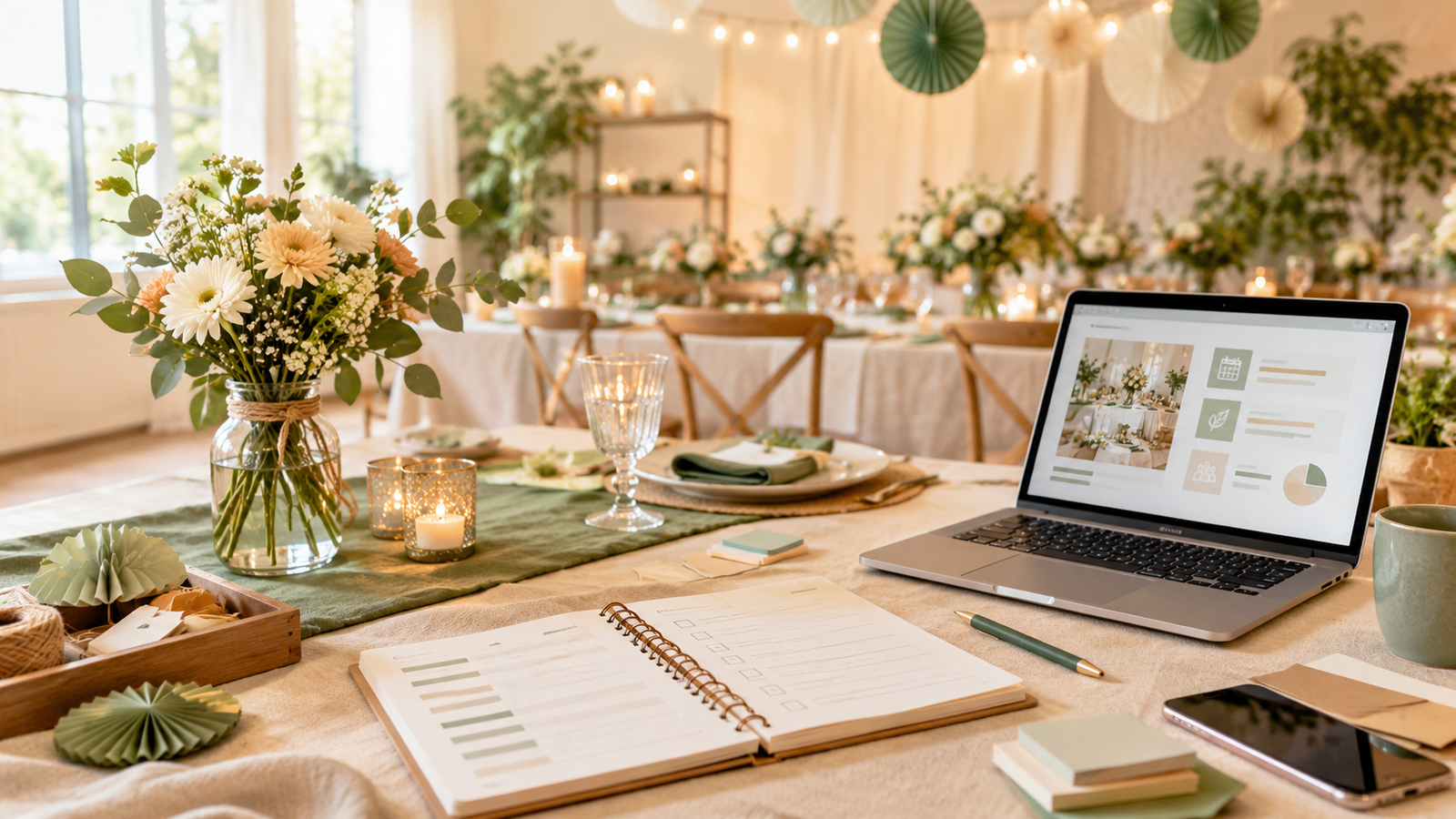
Introduction: Understanding @thriftyevents.net
Planning a memorable event requires more than selecting decorations, arranging refreshments, and inviting guests. It involves careful budgeting, thoughtful organization, creative problem-solving, and an understanding of what makes an occasion meaningful. Whether someone is preparing a birthday celebration, an intimate family gathering, a wedding reception, or a professional meeting, the challenge often lies in creating an enjoyable experience without exceeding the available budget. This is where resources such as @thriftyevents.net become relevant to readers seeking practical inspiration for affordable event planning.
ThriftyEvents.net presents itself as an informational website focused on budget-conscious celebrations, do-it-yourself projects, event organization, and money-saving strategies. Its central message is straightforward: an event does not need an extravagant price tag to feel special. With realistic expectations, careful preparation, and a willingness to explore alternatives, hosts can create welcoming environments that reflect their preferences without unnecessary expenditure.
The growing interest in economical celebrations reflects a broader change in how people approach personal and professional occasions. Instead of measuring success through expensive venues or elaborate decorations, many organizers prioritize atmosphere, guest comfort, meaningful activities, and efficient use of resources. A thoughtfully organized gathering can deliver these qualities without placing excessive financial pressure on the host.
This guide explores @thriftyevents.net, its stated purpose, its potential value to readers, and the broader principles of affordable event management. It also examines budgeting techniques, creative decoration ideas, planning schedules, common mistakes, and practical ways to assess information found online.
What Is @thriftyevents.net?
@thriftyevents.net is a search phrase associated with ThriftyEvents.net, a website that presents budget-friendly event planning as its primary subject. The website’s main themes include budgeting advice, DIY ideas, and event planning guidance. These categories are intended to help readers discover ways to organize celebrations while managing costs.
Rather than assuming that every gathering requires professional coordination or expensive purchases, the website’s stated approach emphasizes learning, preparation, creativity, and resourcefulness. Readers looking for ideas can explore the general principles of cost management, consider different decorative approaches, and develop a clearer understanding of the decisions involved in organizing an event.
The distinction between an informational website and a full-service event management company is important. A blog can provide inspiration, educational material, checklists, and suggestions, but that does not automatically mean it offers venue reservations, vendor booking, catering, or on-site coordination. Visitors should check the current availability of any specific service before relying on it.
For people researching @thriftyevents.net, the most useful starting point is understanding the website’s central subject: making events more affordable through informed choices. Its ideas can serve as a foundation for personal planning, while the details of each event must still be adapted to the host’s circumstances, location, guest list, and financial limits.
@thriftyevents.net Biography Table
A biography table is useful because it summarizes the most relevant information about a website in a convenient format. However, website profiles should distinguish between information that is publicly presented and details that have not been independently established.
| Profile field | Details |
|---|---|
| Website name | ThriftyEvents.net |
| Search phrase | @thriftyevents.net |
| Website category | Informational event-planning website |
| Primary subject | Budget-friendly event organization |
| Main content areas | Budgeting tips, DIY ideas, and event planning |
| Stated purpose | Helping readers plan celebrations without overspending |
| Intended audience | Hosts, families, beginners, and budget-conscious organizers |
| Potential applications | Parties, family gatherings, weddings, and professional events |
| Content format | Online articles and informational guides |
| Main practical theme | Creative planning and responsible spending |
| Founders | Not clearly identified in the core public information reviewed |
| Ownership details | Require further verification |
| Professional planning services | Availability should be confirmed directly |
| Vendor booking | Do not assume availability without confirmation |
| Pricing information | Depends on any specific service; no general fee should be assumed |
| Editorial approach | Practical information and event-related inspiration |
| Overall purpose | Supporting more organized and cost-conscious celebrations |
This table provides a useful overview without presenting unverified details as established facts. In particular, the website’s public description does not by itself establish the identity of its founders, the qualifications of every contributor, or the availability of paid event management services.
For readers researching @thriftyevents.net biography table is very important as a search term, the central benefit of the table is its ability to separate basic website information from assumptions that require additional evidence. It also gives readers a concise reference before they explore broader event-planning concepts.
The Philosophy Behind Budget-Friendly Events
Affordable event planning begins with a simple principle: spending more does not necessarily produce a better experience. The quality of an occasion depends on how effectively its different elements work together.
An expensive venue may look impressive but provide little practical value if it is too large for the guest list. Elaborate decorations may consume a significant portion of the budget while leaving insufficient money for comfortable seating or appropriate refreshments. Conversely, a modest venue with thoughtful lighting, well-organized activities, and welcoming hospitality can create a memorable atmosphere.
The philosophy associated with @thriftyevents.net encourages organizers to evaluate the purpose of each expense rather than treating every possible addition as essential.
Prioritize the Purpose of the Event
Every event should begin with a clear objective. A birthday party might focus on family interaction, a graduation celebration may recognize an important achievement, and a business gathering might encourage professional discussion.
Once the purpose is understood, decisions become easier. Hosts can identify which elements directly support the occasion and which are optional.
Separate Essentials From Extras
Essential expenses usually include the venue, necessary refreshments, basic equipment, and other requirements determined by the event. Optional expenses might include elaborate floral arrangements, premium favors, specialty lighting, or decorative installations.
These categories vary according to the occasion. Accessibility arrangements, for example, may be essential rather than optional. A realistic budget must account for the actual needs of guests instead of applying a universal formula.
Create Value Through Creativity
Creativity is not simply a substitute for money. It is a method of finding solutions that better match the event’s purpose.
Reusable decorations, personalized invitations, borrowed equipment, seasonal flowers, and carefully selected color palettes can create a cohesive atmosphere. The objective is not to make every element look inexpensive; it is to ensure that each decision contributes something worthwhile.
Why Affordable Event Planning Matters
Financial planning plays an important role in making celebrations enjoyable. When expenses are not controlled, an event can create unnecessary pressure before the first guest arrives.
A spending limit establishes boundaries and allows organizers to make informed choices. It can also prevent impulsive purchases, reduce last-minute uncertainty, and protect funds needed for other responsibilities.
Financial Confidence
A written budget gives the host a realistic picture of what is affordable. Instead of making decisions based on optimistic assumptions, organizers can compare actual prices with available resources.
This is particularly important when expenses involve deposits, service charges, delivery fees, taxes, or cancellation penalties. The advertised price of an item may not represent its complete cost.
Better Decision-Making
Budgeting encourages comparison. Organizers may discover that a community hall offers better value than a hotel ballroom, that digital invitations are sufficient for a casual gathering, or that a seasonal menu is less expensive than an elaborate custom arrangement.
The best choice is not always the cheapest one. Reliability, safety, convenience, quality, and suitability should also influence the decision.
Reduced Planning Stress
Uncertainty often makes event preparation more difficult. A clear spending limit, an agreed guest count, and a written checklist reduce the number of decisions that must be made repeatedly.
The practical approach associated with @thriftyevents.net can therefore be understood as a combination of financial discipline and organized preparation rather than a simple search for discounts.
How to Build a Realistic Event Budget
A budget is most useful when it reflects the full cost of an event. Guessing at expenses or recording only the largest purchases can lead to unpleasant surprises.
Step 1: Establish the Maximum Budget
Determine the total amount that can be spent without affecting essential household or business obligations. Avoid relying on uncertain future income or assuming that last-minute savings will cover a shortfall.
Step 2: Estimate the Guest Count
The number of attendees affects food quantities, seating, venue size, invitations, and transportation. Create an initial guest list and update it as invitations are accepted or declined.
For catered events, confirm the supplier’s final guest-count deadline and minimum order requirements.
Step 3: List Every Major Expense
Common categories include:
- Venue rental and deposits
- Food, drinks, and catering
- Decorations and flowers
- Invitations and printed materials
- Tables, chairs, and equipment
- Entertainment and activities
- Transportation and parking
- Photography or documentation
- Cleaning and waste disposal
- Taxes, service fees, and delivery
- Accessibility and guest accommodation
- Contingency funds
Not every event requires every category. The list is a starting point for identifying relevant costs.
Step 4: Request Comparable Quotes
When comparing suppliers, make sure each quote covers the same requirements. One vendor might include delivery and setup, while another charges separately for both.
Ask about payment schedules, overtime rates, cancellation policies, replacement costs, and additional charges. Written quotations make comparison more reliable.
Step 5: Keep a Contingency Reserve
Unexpected expenses can arise from weather changes, equipment failures, guest-count adjustments, or urgent purchases. A reserve of approximately 5–15% may be appropriate depending on the event’s complexity and uncertainty.
This is a planning guideline rather than a fixed rule. Smaller, predictable gatherings may need less flexibility, while outdoor events or complex productions may require more.
Step 6: Track Actual Spending
Record the estimated cost, quoted price, amount paid, outstanding balance, and payment deadline for each item.
A simple spreadsheet can provide sufficient oversight. Update it whenever a decision changes the budget.
For readers exploring @thriftyevents.net biography table is very important, the connection between the website profile and these budgeting practices is practical: understanding the site’s subject is only the first step; the real value comes from turning useful ideas into measurable decisions.
Creative DIY Decorations That Save Money
Do-it-yourself decorations can reduce expenses and give an event a more personal character. They work best when the design is achievable, safe, and consistent with the occasion.
Paper Decorations
Paper garlands, folded ornaments, handmade signs, and table labels can add visual interest at relatively low cost. Coordinating two or three colors often produces a more polished result than combining many unrelated materials.
Choose paper that is appropriate for the environment, and keep decorative materials away from open flames, food preparation areas, and emergency exits.
Reusable Table Settings
Cloth runners, simple vases, reusable glassware, and neutral tableware can be used across several occasions. Borrowing suitable items from family or friends may reduce the need for new purchases.
Before buying decorations, check what is already available. Items stored after previous celebrations may be perfectly suitable for another event.
Seasonal Flowers and Natural Materials
Seasonal flowers are often easier to source than unusual varieties. A few carefully arranged stems can create an attractive centerpiece without requiring a large floral installation.
Natural materials should be clean and appropriate for the setting. Avoid using plants that could be toxic to children or pets where exposure is possible.
Lighting and Atmosphere
Lighting can change how a room feels. Battery-operated lights, lamps, and existing fixtures may provide sufficient warmth without elaborate equipment.
Check electrical requirements, cable placement, and fire safety before installing decorative lighting.
Personalized Details
Handwritten place cards, family photographs, simple welcome signs, and customized menus can make an event feel thoughtful.
These details are often memorable because they reflect the host’s intentions rather than the amount spent.
Choosing an Affordable Venue
Venue selection is one of the most influential decisions in an event budget. The location affects accessibility, transportation, equipment requirements, and the overall atmosphere.
Consider Community Spaces
Community halls, local centers, school facilities, and suitable shared spaces may offer practical alternatives to premium venues. Availability, permitted uses, and rental conditions vary, so organizers should verify the rules before making a commitment.
Explore Outdoor Locations
Parks, gardens, and private outdoor spaces can provide attractive settings for suitable occasions. However, outdoor events require contingency planning for rain, heat, wind, insects, and changes in daylight.
A low rental price is not necessarily economical if tents, generators, portable restrooms, or additional equipment become necessary.
Evaluate the Complete Cost
Compare venue prices alongside cleaning fees, security requirements, setup time, parking, insurance, restrictions on outside catering, and equipment rental.
Ask whether the venue allows decorations, outside vendors, and early access. Confirm the arrangement in writing before paying a deposit.
Match the Space to the Guest List
An oversized venue can feel empty and cost more than necessary. A cramped room can create discomfort and interfere with movement.
Choose a location that comfortably accommodates the expected attendance, furniture, activities, and any accessibility needs.
Food and Refreshments Without Overspending
Food is often one of the largest variable expenses at an event. Careful menu planning can help maintain quality while limiting waste.
Design the Menu Around the Occasion
A formal dinner requires different preparation from a casual afternoon gathering. Select food that fits the event’s schedule, atmosphere, and guests’ expectations.
For shorter gatherings, a modest selection of refreshments may be sufficient. Longer events may require more substantial food and drink arrangements.
Use Seasonal Ingredients
Seasonal ingredients can offer good value and freshness. Simple dishes prepared with familiar ingredients may be easier to organize than menus requiring specialized equipment or extensive last-minute preparation.
Compare prices across reputable suppliers while considering quality, delivery, storage, and preparation requirements.
Estimate Portions Carefully
Use the caterer’s guidance or reliable serving estimates to calculate quantities. Consider the duration of the event, the number of meals provided, and whether other refreshments will be available.
Ordering too much can create waste, while ordering too little can inconvenience guests. Final quantities should reflect realistic attendance rather than the maximum number originally invited.
Account for Dietary Requirements
Ask guests about relevant dietary needs when appropriate. Provide clear ingredient information and avoid making unsupported claims about allergen safety.
Food must be stored, prepared, and served safely. Cost savings should never come at the expense of hygiene or appropriate temperature control.
Planning Different Types of Events
The principles of affordable planning apply across many occasions, but each event has its own priorities.
Birthday Parties
Birthday celebrations can be built around a theme, a favorite meal, or a shared activity. Homemade decorations, a carefully chosen cake, and simple games may create a lively atmosphere without requiring a large venue.
Decide which features matter most to the guest of honor before spending money on additional entertainment.
Weddings and Engagement Celebrations
Weddings involve more complex decisions because venue availability, photography, clothing, food, and guest expectations can increase costs quickly.
A realistic guest list is one of the most effective ways to control spending. Couples can also compare weekday dates, smaller venues, seasonal flowers, and simplified menus.
Contracts should be reviewed carefully, especially where deposits, cancellation rules, and rescheduling policies are concerned.
Family Gatherings
Family events often benefit from shared responsibilities. Relatives may contribute dishes, lend equipment, help with setup, or organize activities.
These arrangements work best when expectations are agreed upon in advance. Voluntary contributions should not become an unspoken obligation.
Corporate Events
Business gatherings require attention to professional presentation, accessibility, scheduling, and organizational objectives.
A smaller venue, digital registration, straightforward catering, and a focused agenda may provide better value than elaborate arrangements that do little to support the purpose of the meeting.
Community Events
Community gatherings can make effective use of volunteers, shared resources, and local facilities. Organizers should define responsibilities clearly and address permits, safety, crowd management, and waste disposal where applicable.
A modest budget can support a successful community event when resources are allocated according to actual needs.
Building an Effective Event Timeline
A timeline prevents small tasks from accumulating into a stressful final day. The exact schedule depends on the event’s size, but a general framework can provide a useful starting point.
Six to Eight Weeks Before
- Establish the purpose and budget.
- Estimate the guest count.
- Research venues and suitable dates.
- Identify major suppliers.
- Confirm any permit or insurance requirements.
Four to Six Weeks Before
- Book the venue and essential suppliers.
- Send invitations.
- Develop the menu.
- Choose the decorative style.
- Record deposits and payment deadlines.
Two to Three Weeks Before
- Review RSVPs.
- Confirm important supplier arrangements.
- Purchase nonperishable supplies.
- Prepare signs, labels, and other DIY materials.
- Finalize the activity schedule.
One Week Before
- Confirm attendance and catering quantities.
- Check equipment and transport.
- Review the weather forecast if relevant.
- Prepare a contact list.
- Verify the event-day responsibilities.
One or Two Days Before
- Organize materials.
- Prepare items that can be completed safely in advance.
- Confirm delivery times.
- Check the venue and setup arrangements.
- Keep essential documents and contact details accessible.
On the Event Day
Follow the schedule while leaving room for delays. Assign responsibilities to specific people instead of assuming that everyone will know what to do.
A realistic timeline is more useful than a perfect-looking schedule that leaves no room for unexpected changes.
Using Online Resources Responsibly
Websites can provide useful ideas, but readers should evaluate the information they encounter. Not every article contains verified prices, professional recommendations, or current service details.
When exploring @thriftyevents.net, readers should consider whether an article directly addresses their needs, explains its recommendations clearly, and distinguishes general advice from specific claims.
Check the Publication Context
Look for an identifiable author, publication date, editorial information, and relevant supporting details. An article that offers specific legal, safety, or financial recommendations should be assessed more carefully than a simple collection of decorative ideas.
Verify Prices and Availability
Venue fees, catering prices, equipment rentals, and seasonal supplies vary by location and date. An online estimate should be treated as a starting point until confirmed by the relevant supplier.
Distinguish Inspiration From a Service Offer
An article describing how to organize a wedding does not necessarily mean the publisher provides wedding coordination. Similarly, a discussion of vendors does not establish a formal partnership.
Before paying for a service, confirm that it is genuinely available and obtain written details of its scope and cost.
Protect Personal Information
Avoid sharing unnecessary financial details, identification documents, or sensitive personal information when browsing informational websites.
When contacting a publisher or supplier, use contact information displayed through its current official channels and verify the recipient before sending private material.
For users searching @thriftyevents.net biography table is very important, these checks are particularly useful because a clear profile should explain what is known while leaving uncertain claims appropriately qualified.
Evaluating the Website’s Credibility
Credibility is not established by an attractive design or a confident writing style alone. Readers benefit from examining several practical indicators.
Transparency
A well-documented website makes it easier to understand its purpose, editorial standards, ownership information, and contact arrangements. When some details are not publicly available, readers should recognize that limitation instead of assuming either complete reliability or deliberate wrongdoing.
Accuracy
Useful event-planning information should be realistic, consistent, and relevant to the subject. Advice about budgeting should acknowledge additional fees, while recommendations involving venues and suppliers should encourage readers to confirm current terms.
Practicality
Strong articles help readers take action. A guide that explains how to estimate guest numbers, compare quotations, or prepare a schedule is more useful than one that merely promises dramatic savings.
Consistency
Readers should consider whether the website’s actual content consistently reflects its stated purpose. A broad or mixed collection of articles may require more careful selection than a narrowly focused resource.
Independent Verification
Important business claims should be checked against primary information wherever possible. For example, an advertised service should have clear terms, a verifiable provider, and a documented payment process.
These checks offer a balanced way to evaluate @thriftyevents.net without treating its stated mission as proof of every possible capability.
Common Budgeting Mistakes to Avoid
Even careful organizers can overlook costs or make decisions that undermine their original plan.
Forgetting Additional Fees
Taxes, delivery charges, setup costs, cleaning fees, and overtime can significantly increase the final bill. Request complete quotations before comparing vendors.
Buying Decorations Too Early
Purchasing decorative items before choosing a theme or venue can lead to unnecessary spending. Finalize the general design first, then buy only what is needed.
Inviting More Guests Than the Budget Allows
Additional guests affect several categories simultaneously. Establish a realistic attendance limit before sending invitations.
Relying on Unconfirmed Discounts
Promotional prices may have conditions, expiry dates, or minimum purchase requirements. Confirm the total cost and availability before building the budget around an offer.
Leaving Everything Until the Last Minute
Urgent purchases can be more expensive and reduce the range of available options. Assign deadlines to important decisions and review progress regularly.
Confusing Low Cost With Good Value
A cheap item may be unreliable, unsuitable, or expensive to maintain. Compare durability, quality, safety, and the complete cost of using it.
Failing to Assign Responsibilities
When several people are involved, unclear duties can result in duplicated purchases or forgotten tasks. Use a shared checklist and identify who is responsible for each item.
Sustainability and the Future of Thrifty Events
Affordable event planning can also support more responsible resource use. Reusing decorations, borrowing equipment, choosing durable tableware, and reducing food waste may lower costs while limiting unnecessary consumption.
Sustainability, however, should be approached thoughtfully. Reusable items require storage, cleaning, and transportation, while disposable alternatives may sometimes be necessary for practical or safety reasons.
Reuse Before Buying
Check existing supplies and consider borrowing suitable items. Reusable table runners, neutral vases, and basic lighting can support multiple events.
Reduce Food Waste
Estimate quantities carefully, store food safely, and arrange appropriate redistribution when permitted. Food safety requirements must always take priority.
Choose Practical Materials
Select decorations that can be reused, recycled, or responsibly disposed of. Avoid materials that create unnecessary cleanup or pose hazards to guests.
Consider Local Suppliers
Local suppliers may reduce transportation requirements and simplify communication. Their prices and reliability should still be compared with other suitable options.
Measure Success Beyond Spending
A successful event should be judged by guest comfort, organization, meaningful participation, and responsible use of resources—not merely by the amount saved.
The broader philosophy associated with @thriftyevents.net is most useful when affordability becomes part of a thoughtful planning process rather than the sole measure of success.
How to Turn Inspiration Into a Real Event
Reading an article is only the beginning. The next step is to transform useful ideas into decisions, assignments, and deadlines.
Start by writing a one-paragraph event brief that describes the purpose, date, approximate guest count, location, and spending limit. This document becomes the reference point for later choices.
Next, create a short list of priorities. Identify three or four features that will have the greatest impact on the experience. These might include comfortable seating, good food, a suitable activity, or an attractive gathering space.
Then create an expense tracker. Enter the expected cost of each priority, obtain quotations where necessary, and compare the total with the available budget. If the figures do not fit, adjust the plan before making commitments.
After the financial framework is established, develop a practical timeline. Assign each task to a specific person and establish deadlines for decisions that affect other arrangements.
Finally, conduct a review before the event. Confirm bookings, check payment obligations, review the guest list, and identify the most likely problems. Prepare alternatives for important risks, such as bad weather or delayed deliveries.
This process turns general inspiration into an achievable plan. It also helps organizers determine which suggestions from websites such as ThriftyEvents.net genuinely fit their circumstances.
Why the Biography Table Matters for Searchers
A biography table provides a concise introduction to a website, but its value depends on accuracy and clear presentation. Readers often search for a website’s identity, purpose, ownership, services, and intended audience before deciding whether its content is relevant.
For that reason, @thriftyevents.net biography table is very important as a target search phrase for people looking for a structured overview. Nevertheless, the phrase itself should not be confused with an official website feature, a verified business designation, or evidence of professional credentials.
A useful profile should answer straightforward questions without exaggerating what is known. It should describe the website’s published subject, identify publicly available information, and state when details such as ownership or service availability require further confirmation.
For publishers, this approach supports better information quality. For readers, it creates a clearer distinction between a website’s stated mission and the facts they can independently verify.
The same principle applies to other informational websites: a strong biography table is not simply a collection of promotional statements. It is a concise reference that helps readers understand the subject and make informed decisions.
Frequently Asked Questions About @thriftyevents.net
1. What is @thriftyevents.net?
The phrase refers to ThriftyEvents.net, a website that presents budget-friendly event planning, DIY projects, and money-saving ideas as its main subject. Readers can use its published material as inspiration while developing plans for their own occasions.
2. What is the main purpose of ThriftyEvents.net?
Its stated purpose is to help people explore ways to organize memorable events without overspending. Its main content categories focus on budgeting, do-it-yourself ideas, and event planning.
3. Is ThriftyEvents.net a blog or an event management company?
The website’s main public presentation is that of an informational content resource. Readers should not assume that it provides professional planning, venue reservations, catering, or vendor booking unless those services are clearly confirmed.
4. Who can benefit from the website?
People organizing birthdays, family gatherings, weddings, community occasions, and professional meetings may find budget-conscious planning ideas relevant. The usefulness of any article depends on its accuracy and suitability for the specific event.
5. Does ThriftyEvents.net provide free information?
The website publishes informational articles that readers can explore. The availability, pricing, and terms of any additional service should be checked separately rather than assumed.
6. What is the importance of the @thriftyevents.net biography table?
A biography table gives readers a quick overview of the website’s name, purpose, subject, intended audience, and publicly established details. It also helps separate confirmed information from matters that require further investigation.
7. Can beginners use the website for event planning?
Yes, its general subject is accessible to beginners who want to learn about budgeting, decorations, and event organization. New organizers should combine online inspiration with a realistic budget, a timeline, and verified supplier information.
8. How can someone plan an event on a limited budget?
Begin by establishing a spending limit, estimating attendance, and identifying essential expenses. Compare complete quotations, reuse suitable materials, simplify optional features, and maintain a record of actual spending.
9. Are DIY decorations always cheaper?
Not necessarily. DIY projects can reduce material costs, but they require time, tools, and sometimes specialized supplies. Compare the total cost and effort with ready-made alternatives before choosing an approach.
10. Is the information on ThriftyEvents.net guaranteed to be accurate?
Readers should evaluate individual articles rather than assuming every statement is independently verified. Check publication details and confirm prices, service availability, contracts, and important safety information through appropriate primary sources.
11. Does the website identify its founders?
The core public information reviewed does not clearly identify the founders. Readers seeking ownership details should consult current official disclosures and independently verifiable business records.
12. Can the website help with wedding budgets?
Its general focus on economical event planning may offer useful ideas for managing wedding expenses. Couples should independently confirm venue prices, supplier availability, contractual terms, and any professional services they intend to purchase.
13. What should readers check before paying an event supplier?
Confirm the provider’s identity, itemized quotation, payment schedule, cancellation policy, refund terms, and exact deliverables. Obtain a written agreement before transferring significant funds.
14. How does budget planning reduce stress?
A realistic budget clarifies what is affordable, helps prevent impulsive spending, and provides a framework for prioritizing decisions. A timeline and clearly assigned responsibilities further reduce uncertainty.
15. What makes an event memorable without expensive decorations?
Warm hospitality, comfortable surroundings, thoughtful activities, good organization, and meaningful personal touches can create a positive experience. These elements often matter more than the number or price of decorative items.
16. Is @thriftyevents.net biography table is very important an official service name?
No conclusion about an official service can be drawn from that search phrase. It is best understood as a keyword describing a request for a website profile and summary table.
17. How should readers use ideas found online?
Select ideas that match the occasion, estimate their actual cost, and check whether they are practical for the venue and guest list. Adapt suggestions rather than copying a plan that does not suit the available resources.
18. What is the best first step when organizing an event?
Define the event’s purpose, approximate guest count, date, and maximum budget. These decisions establish the foundation for choosing a venue, arranging food, and setting the schedule.
A More Thoughtful Standard for Affordable Celebrations
The most effective approach to budget-friendly event planning combines financial discipline with creativity, reliable information, and attention to the guest experience. An economical event is not simply an expensive event with fewer decorations. It is an occasion in which resources are deliberately directed toward the elements that matter most.
ThriftyEvents.net presents this philosophy through its emphasis on budgeting tips, DIY ideas, and event planning information. Readers exploring the website can use relevant articles as starting points, provided they verify important claims and adapt recommendations to their own requirements.
For anyone researching @thriftyevents.net biography table is very important, the strongest takeaway is the importance of separating a website’s stated purpose from independently confirmed facts. A clear profile helps readers understand what a resource offers, while careful planning turns useful information into practical results.
Ultimately, memorable celebrations are created through intention rather than extravagance. A realistic budget, a welcoming atmosphere, a well-prepared schedule, and thoughtful attention to guests can make an occasion meaningful without unnecessary spending. By focusing on these fundamentals, organizers can build celebrations that respect their financial limits while preserving the joy and significance of bringing people together.
