
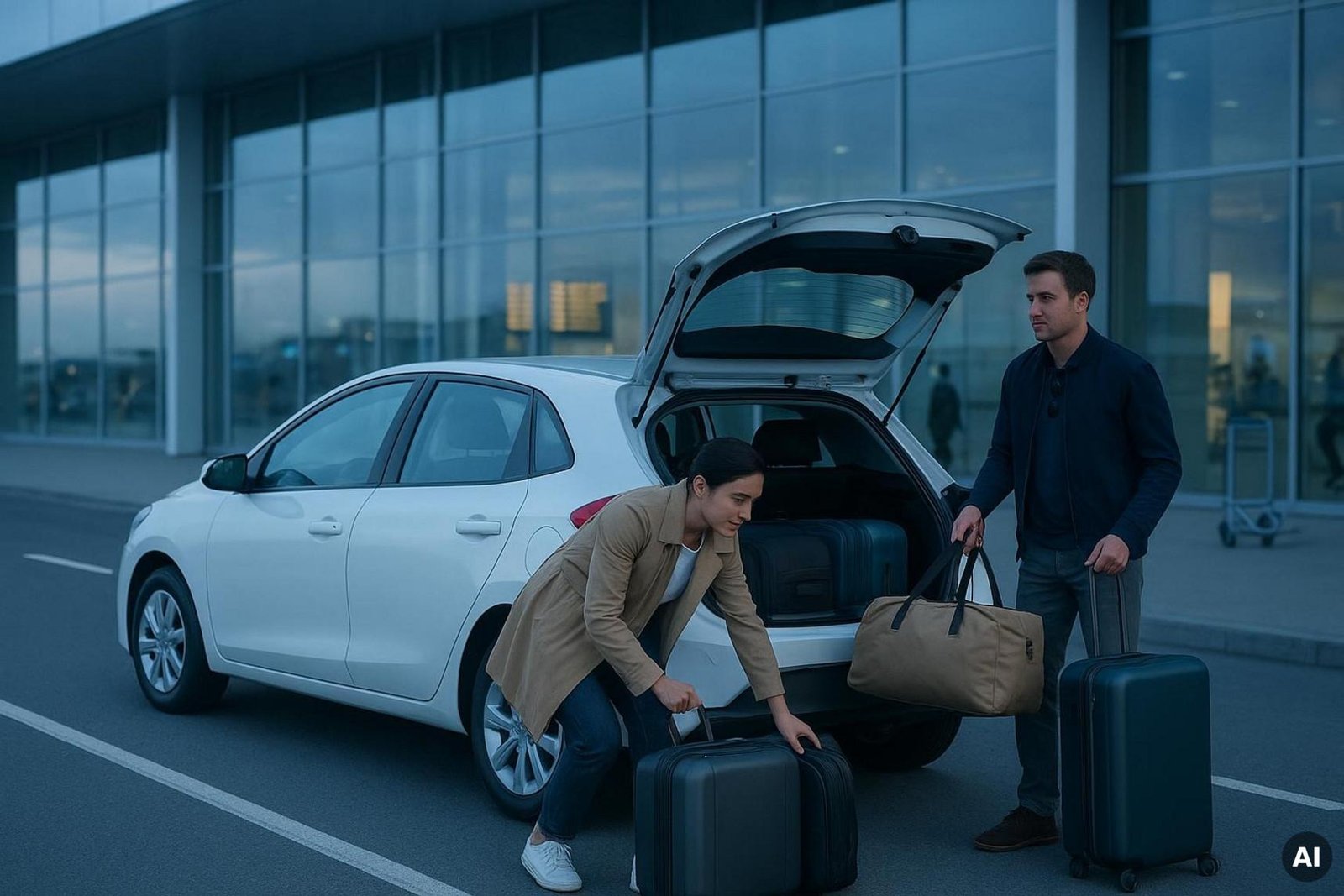
Renting a car is a practical choice for modern travelers because it offers flexible transport when you need it without the large costs linked to owning a vehicle. It fills the gap between fixed transit stations and places spread across a wide area. Instead of following strict timetables, sitting in crowded cabins, or staying within public transport zones, travelers can choose their own routes, pace, and stops.
Travel today rarely follows one simple plan. You may be driving along a scenic coast or moving between meetings in different towns. Working with a reliable car rental service lets you use transport only when needed. You pay for the vehicle during your trip, while the provider handles maintenance, insurance renewals, and the long-term loss in vehicle value.
Why Renting a Car Is a Practical Choice for Modern Travelers
Today’s traveler values time, comfort, and control. With flight schedules that can change and weak transport links in some areas, driving is one of the best ways to stay in charge of your day. Once you have the keys, your trip becomes less about managing connections and more about enjoying the places you visit.
Vehicle use has also changed. Owning a car brings ongoing costs such as parking permits, loan interest, yearly registration, and falling resale value from the moment the car leaves the dealership. Renting separates the time you use a car from the time you own one. You get access to a useful vehicle at the place and time you need it.
What Makes a Rental Car More Convenient Than Public Transportation?
Public transport works very well in compact cities with strong connections. Its convenience often drops once a trip involves several changes. Carrying heavy bags through train stations or bus terminals, waiting outside in poor weather, and trying to meet tight connection times can make a trip take twice as long as driving directly. A private car also removes the pressure of running for a departure or standing in a crowded aisle after a tiring flight.
A car also takes you directly to your destination. Public transport usually stops at set stations, so travelers must cover the final part of the journey with a costly local ride or a long walk. A rental car lets you stop for food, groceries, or a short visit to a place of interest whenever you wish. These small changes are difficult when you must follow a public transport route.
When Renting Is More Practical Than Using Your Own Car
Taking your own car on a long trip can create costs that appear after you get home. Long drives add many miles to the odometer, reduce the car’s value, and bring forward service work such as brake changes, oil changes, and tire rotation. Driving your own car on rough roads or in severe weather also puts the repair risk on your household budget.
Renting moves that wear to the rental company’s fleet. Your everyday car may also be a poor match for your holiday. Someone who drives a small sedan can rent a roomy SUV for mountain roads or an all-wheel-drive crossover for a winter trip from a provider like CarFree. This gives you the right vehicle for the journey without buying a new car for one type of use.
When Renting a Car Makes the Most Sense
Some travel plans clearly favor a rental car. Driving in very crowded city centers such as Manhattan or Tokyo can be frustrating, but wide regions, smaller cities, and rural areas often need private transport. Looking at the size and layout of your trip can show whether a rental is a small convenience or a necessary part of the plan.
It also helps to look at the problems caused by other transport options. If a flight needs several connections to reach a place that is only four hours away by road, or if train tickets for a group cost more than a daily rental, driving becomes a sensible money and time choice.
Airport Arrivals, Weekend Trips, and Multi-City Journeys
Picking up a pre-booked car at the airport can make arrival much easier. Many rental companies offer digital pickup options or quick service desks, so travelers can avoid long public transport lines, collect the keys, and head to their accommodation. On a short weekend trip, skipping long waits at the airport leaves more time for rest and sightseeing.
Trips across several cities show the limits of fixed transport lines. Traveling between three or four towns by regional bus may require a return to a central station, using whole afternoons for connections. A rental car creates a direct route between places and lets you visit several destinations without passing through the same transport hubs again.
Family Holidays, Group Travel, and Road Trips
Traveling with children or a large family creates tasks that public transport may not handle well. Buying tickets for several people, keeping children together, and carrying a stroller can try anyone’s patience. A roomy rental car gives the family a calm, private space where children can sleep, snacks can be kept close, and bags can stay safely inside the vehicle.
Traditional road trips depend on sharing the journey. A private car makes driving time part of the holiday, with shared music, conversation, and views. A rental gives groups space to enjoy the trip without crowded carriages or the quiet rules often found on long-distance trains.
Destinations With Limited Public Transportation
Many national parks, coastlines, and rural areas have little public transport. Transit services may cover only a small part of the wider region, leaving visitors without a car in a small tourist area. Without private transport, reaching a remote trailhead, quiet beach, or old village may be very expensive or impossible.
In places such as the American Southwest, the hills of Tuscany, or the Scottish Highlands, a rental car is more than a comfort. It gives you access to the destination itself. You can reach natural areas and local communities far beyond the end of the nearest railway line.
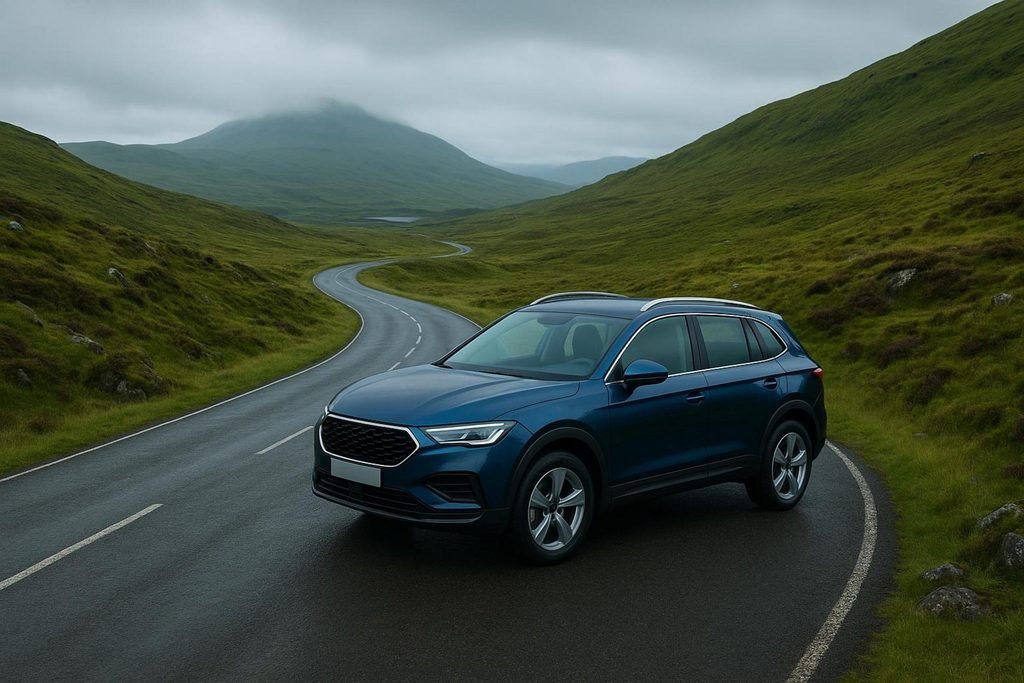
How Car Rentals Give Travelers More Freedom
Travel freedom means having fewer limits set by other people’s timetables. When your plans depend on reservations, schedules, and fixed routes, each stop can become a deadline. A rental car brings back the ability to make quick choices, so a new road or an unexpected stop can become part of the day.
This control also changes how a trip feels. You can stay longer for a beautiful sunset without watching the clock for the last bus. That extra time makes it easier to relax and take in your surroundings.
Create Your Own Schedule Without Fixed Routes or Timetables
Renting a car removes the need to rush out early to catch a connection. You can wake up when you like, change your departure time if the weather shifts, and follow your own plan. If an attraction is disappointing, you can leave early. If a museum holds your attention, you can stay until closing without worrying about a missed connection.
This freedom is useful on trips that may change during the day. You can have a late meal at a country restaurant or watch evening light over a mountain pass without arranging a taxi or checking when the last regional train leaves.
Reach Remote Destinations and Scenic Routes
Many of the most memorable landscapes are outside major cities. Tour buses tend to use busy, direct roads that suit large groups, so they may skip narrow mountain passes and winding coastal roads. A private car gives you access to well-known scenic routes, such as the Pacific Coast Highway and the roads along the Amalfi Coast, at a pace that suits you.
Remote places to stay, including cliffside cabins, farm stays, and old villas, often offer peace and good prices because public transport does not reach them. Renting a car gives you access to these stays and lets you choose a local setting instead of a standard hotel in the city center.
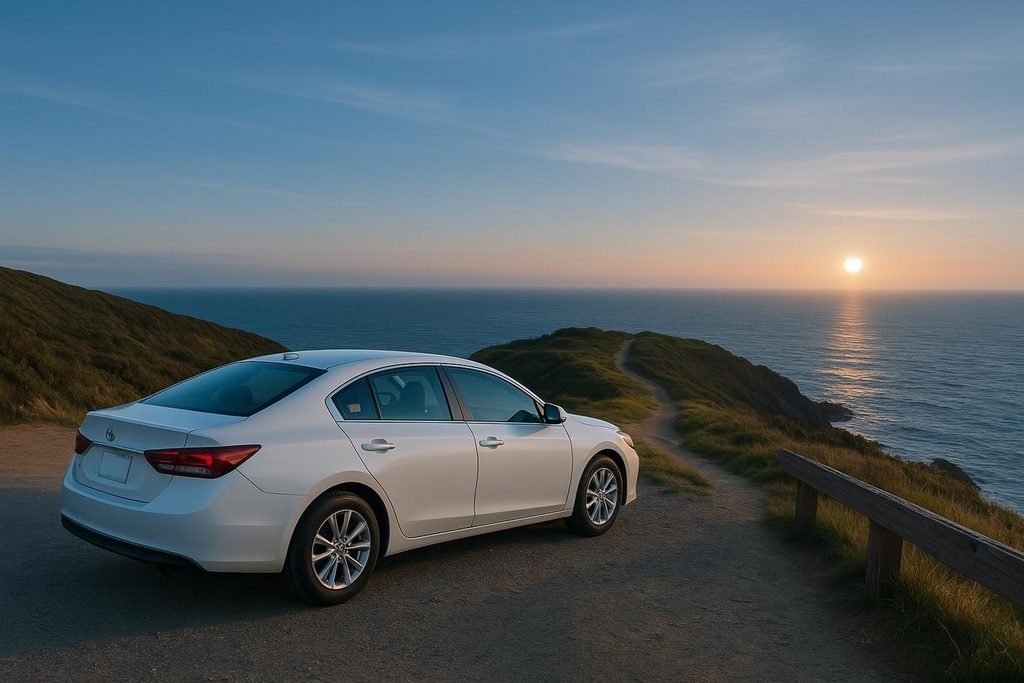
Stop, Detour, and Explore More Along the Way
Train and bus journeys often show travelers old ruins, roadside markets, and wide views for only a few seconds. With a rental car, these sights can become part of the trip. If a brown sign points to a medieval abbey, you can turn off the main road and visit it right away.
Unplanned stops often become favorite memories. You may find a local harvest festival, buy fresh food from a farm stall, or stop beside a quiet lake for lunch. These simple moments are easier when you control the car.
Travel Comfortably With Family, Friends, and Luggage
Public transport often requires travelers to pack lightly and carry bags through stations, turnstiles, and stairs. A rental car works as a secure base for the trip. Large items such as surfboards, golf clubs, hiking bags, and camping equipment can stay in the trunk instead of being carried through busy terminals.
Air conditioning, adjustable seats, and personal music systems can make long drives more pleasant. You can set the temperature, change the volume, and stop for breaks whenever needed. This makes the journey between places almost as comfortable as the time spent at the destination.
How Renting a Car Can Reduce Travel Costs
A rental car has an upfront price, but the full travel budget may show that it saves money. Several taxi rides, airport transfers, individual train tickets, and baggage charges can cost more than one private car, especially for families and groups.
Looking at the full transport cost can also reveal savings on accommodation. A rental car may let you stay outside the most expensive tourist areas, where hotels often cost much less. Those lower room prices may cover much of the rental fee.
Compare Rental Prices With Taxis, Rideshares, and Public Transit
Using taxis or rideshare apps for every trip can quickly use up a holiday budget. This is especially true in busy tourist areas where prices rise during peak periods. A few rides each day, including morning travel, dinner trips, and late returns, may cost more than the daily price of an economy rental car.
Over several days, a rental can also make transport costs easier to predict. Instead of watching a taxi meter rise in traffic or dealing with high rideshare prices at busy times, you can plan around a set daily vehicle rate.
Share Transportation Costs Across a Group
Public transport charges each passenger. A family of four may spend hundreds of dollars on return high-speed train tickets between large cities. Organized group tours can cost even more because each person pays for a separate seat.
A rental car is paid for as one vehicle. One charge covers the driver and passengers, so friends can split the cost or a family can include it in the holiday budget. This can make driving cheaper than paying for each seat on a train, bus, or tour.
Account for Fuel, Tolls, Parking, and Insurance
A realistic rental budget must include fuel, parking, road tolls, and the required protection options. In a busy city center, overnight parking may cost almost as much as the car itself. This makes the choice of hotel and route important.
You can keep these costs under control with some planning. A compact or hybrid car uses less fuel, and a hotel with free guest parking removes garage fees. Adding these known costs to the budget before the trip keeps your transport spending clear and manageable.
Why Renting Can Cost Less Than Owning a Car for a Short Trip
For people who live in cities and rarely use a car, renting costs much less than owning one all year. A personal car still brings insurance payments, loan interest, servicing, yearly taxes, and falling resale value, even when it spends most of its time parked.
Using a rental only for weekend breaks, seasonal holidays, or occasional road trips gives you private transport without paying for an unused asset. The money saved can go toward better accommodation, meals, or another trip.

Choose the Right Rental Vehicle for Your Trip
One of the main practical benefits of renting is the wide choice of vehicles. Instead of asking one personal car to handle every trip, you can choose a model that suits your route, number of passengers, and amount of luggage.
Rental fleets usually include small city cars, family vehicles, and four-wheel-drive models. This range helps travelers balance comfort, fuel use, and interior space. Choosing the right class of car can make the whole trip easier.
Match Vehicle Size to Passenger Numbers, Roads, and Trip Length
The roads at your destination should guide your vehicle choice. Narrow stone streets in old European villages and small parking spaces in Mediterranean towns are easier with a compact car than with a large truck. Long drives through national parks, on the other hand, may call for more legroom and a longer wheelbase.
Check both the seats and the storage area before you confirm a booking. A car may seat five people on paper but still have too little trunk space for four large suitcases. Choosing enough room for both passengers and bags helps prevent a crowded cabin during long drives.
Select a Compact Car for City Travel and Fuel Efficiency
For solo travelers or couples visiting cities and nearby sights, an economy or compact car is often a good fit. Small cars move easily through traffic, fit into tight parking spaces, and use less fuel, which means fewer visits to the gas station.
Today’s compact cars are comfortable and well equipped. Many have responsive turbocharged engines, good sound insulation, and driver support features that make highway travel easier. Their smaller fuel tanks also help keep running costs low, leaving more money for activities.
Choose an SUV or Minivan for Families and Luggage
SUVs and minivans are useful for large groups, families with children, and travelers carrying special equipment. A higher driving position can improve the view of the road, while folding seats create space for strollers, sports equipment, and extra bags.
Minivans are especially useful for families. Sliding doors make it easier to load children in tight parking spaces, and low entry points, cup holders, and storage areas add comfort. Medium and large SUVs may also offer all-wheel drive, which can help on gravel roads, mountain routes, and in changing weather.
Check for Navigation, Satellite Radio, Child Seats, and Other Features
Small features can make a long drive much more comfortable. Many current rental cars support Apple CarPlay and Android Auto, giving you access to your own maps, music, and audiobooks without bringing extra equipment.
If you are traveling with young children, booking approved child seats through the rental company saves you from carrying heavy seats through the airport. Features such as adaptive cruise control, blind-spot alerts, and rear cameras can also reduce driver tiredness and make unfamiliar roads easier to use.
How Rental Cars Improve Road Trip Comfort and Reliability
Few things can ruin a holiday faster than a car overheating on a lonely road. A dependable vehicle helps keep a trip calm, and rental fleets are managed to reduce the chance of major mechanical trouble.
A newer, well-serviced car can offer more peace of mind than an older personal vehicle. Modern safety features and roadside help add extra support during long road trips.
Drive a Newer, Lower-Mileage Vehicle
Large rental companies often replace cars after 12 to 24 months, usually before they reach 50,000 miles. This gives travelers access to fairly new vehicles with current safety features, efficient engines, and up-to-date equipment.
Newer cars often have stronger air conditioning, quieter cabins, and more comfortable seats. These features can reduce tiredness during a long cross-country drive. A clean, modern interior can also create a more pleasant start to the holiday.
Avoid Unexpected Maintenance and Repair Costs
When you take your own car on a long journey, you pay for sudden problems such as worn brake pads, a weak battery, or a major mechanical failure. An unexpected repair can use up holiday money and leave you waiting while a local garage looks for parts.
With a rental car, the fleet company handles routine work such as oil changes and fluid checks. If you follow the normal driving rules, you can use the car without worrying about paying for regular service or an unexpected repair.
Swap the Vehicle if a Mechanical Problem Occurs
Even a new car can suffer a flat tire or show a warning light. One benefit of renting is the support network behind the vehicle. Many established rental companies provide emergency roadside help at any time of day.
If the problem cannot be fixed quickly, you can often exchange the car at the nearest company location instead of waiting for a long repair. This helps keep the trip on schedule and turns a serious problem into a short delay.
Protect Your Personal Car From Mileage, Wear, and Depreciation
Falling vehicle value is a hidden cost of ownership. Extra miles, loose gravel, and long periods in direct sunlight can harm a car and lower its resale price.
A rental car keeps that added use away from your personal vehicle. Your own car stays at home, helping protect its mileage limit, tires, and exterior for daily driving.
What Protection and Rental Terms Should Travelers Check?
A smooth rental experience starts with reading the agreement before leaving the pickup area. The contract explains who may drive, which areas you may visit, and what happens if the car is damaged or involved in a crash.
Reading the protection options, location rules, and driving conditions can help prevent unexpected charges on the final bill. It also helps keep the trip simple from pickup to return.
Review Collision Damage Waiver and Liability Coverage
A Collision Damage Waiver (CDW), also called a Loss Damage Waiver (LDW), is not the same as insurance. It is an agreement in which the rental company gives up the right to charge you for certain repair costs if the car is damaged or stolen. It usually has a daily fee, but it can limit the amount you may have to pay.
Third-party liability coverage also matters. It helps protect you if another person claims compensation for injury or property damage after a crash. Check the legal minimum for the country or region, since the basic amount may not fully protect your personal assets after a serious accident.
Check Personal Insurance and Credit Card Rental Benefits
Before buying every optional policy at the rental desk, review your current insurance. Some full auto insurance policies extend collision and liability protection to temporary rental cars, especially when the car is used for personal travel in your home country.
Some premium travel credit cards also include rental car protection if you refuse the company’s CDW and pay the entire booking with that card. Card protection is often secondary, which means it may pay only after your main auto insurance has responded. Read the card benefits guide so you know what is and is not covered.
Understand Mileage Limits, Fuel Policies, and Additional Driver Fees
Many standard domestic rentals offer unlimited mileage, but special vehicle classes, luxury cars, and some local companies may set daily mileage limits. Extra miles can then bring high charges. Check that your booking clearly states “unlimited mileage” before starting a long road trip.
Read the fuel rules as well. Under a common “full-to-full” policy, you must return the car with a full tank or pay a high refueling charge. Also check the rules for extra drivers. If someone who is not listed on the agreement drives, the protection may no longer apply, so all drivers should be registered before the trip.
Learn Restrictions on Cross-Border Travel, Off-Road Driving, and One-Way Rentals
Many rental contracts do not allow the car to cross an international border or enter certain nearby countries without written permission and extra insurance. Taking the car into an unauthorized area can end the agreement, lead to large penalties, and remove damage protection.
Most rental agreements also ban driving on unpaved roads, gravel tracks, and logging roads, even when the vehicle has all-wheel drive. If you plan to return the car in another city, check the drop-off rules before booking. One-way fees change with seasonal demand and fleet needs, so comparing the options early can help you find a lower price and a smoother trip.
